Understanding the Concept of Age Perception
Age perception is a fascinating intersection of psychology, biology, and sociology that shapes how we view ourselves and others. The phrase “how old do I look” encapsulates a universal curiosity that extends beyond mere vanity; it reflects cultural standards of beauty, maturity, and vitality. As we navigate life, the perceptions we hold about age can influence our social interactions, personal confidence, and even professional opportunities.
When exploring options, how old do I look provides comprehensive insights into this intriguing query by utilizing advanced technologies that analyze facial features and estimate perceived age. Understanding what factors influence age estimation can help individuals reconcile their actual age with how society perceives them.
What Does 'How Old Do I Look' Mean?
The concept of "how old do I look" goes beyond a simple number; it prompts individuals to reflect on their biological and perceived age. Biological age typically represents the physiological condition of an individual, while perceived age is the age others assign based on appearance. Various components, such as lifestyle choices, genetics, and environmental factors, play significant roles in this perception.
Factors Influencing Age Perception
Several key elements contribute to how age is perceived:
- Facial Features: Wrinkles, skin texture, and overall facial structure can substantially influence age estimation.
- Health and Lifestyle: Factors like smoking, sun exposure, and diet can affect skin quality and elasticity.
- Makeup and Grooming: Cosmetic choices can enhance youthfulness or, conversely, add years to one's perceived age.
- Cultural Standards: Different cultures have varying benchmarks for beauty and age, which can influence perception.
Why Does Age Estimation Matter?
Understanding how age is perceived can have several implications, including social interactions, employment opportunities, and even mental health. The desire to appear younger often drives individuals to adopt new skincare routines or cosmetic procedures. Furthermore, knowing how others perceive age can assist in adjusting interpersonal dynamics in professional and personal scenarios.
Exploring Age Estimation Technologies
Technology has dramatically transformed the way we estimate and perceive age. Through the use of artificial intelligence, age estimation tools now offer users the ability to get real-time assessments of their facial features.
AI Innovations in Age Detection
Artificial Intelligence (AI) is at the forefront of age detection advancements. Many applications now utilize algorithms trained on large datasets of facial images to provide accurate age estimates. These innovations enable users to upload a photo, after which advanced algorithms analyze various facial characteristics to predict perceived age, offering a fun and engaging way to explore this curiosity.
How Accurate Are Online Age Guessers?
While many online age guessers claim to provide precise results, accuracy can vary based on several factors:
- Photo Quality: Higher resolution images yield more accurate results.
- Facial Angles: Frontal images generally provide better assessments than side profiles.
- Environmental Lighting: Well-lit photos enable algorithms to detect features more clearly.
Despite these technological advancements, users should approach results with a sense of fun and not rely solely on them for self-assessment.
Key Features to Look For in Age Estimation Tools
When selecting an age estimation tool, consider the following features for a fulfilling experience:
- Ease of Use: The tool should be user-friendly, allowing for simple uploads and quick results.
- Privacy Policies: Look for platforms that respect user privacy and secure data.
- Feedback Mechanism: A good tool may provide insights on how age estimation works based on your unique features.
How to Use Age Estimation in a Fun Way
Age estimation tools can serve as an excellent source of entertainment, particularly in social settings. Incorporating these tools into gatherings can lead to unique experiences and conversations.
Creative Ways to Incorporate Age Estimation at Parties
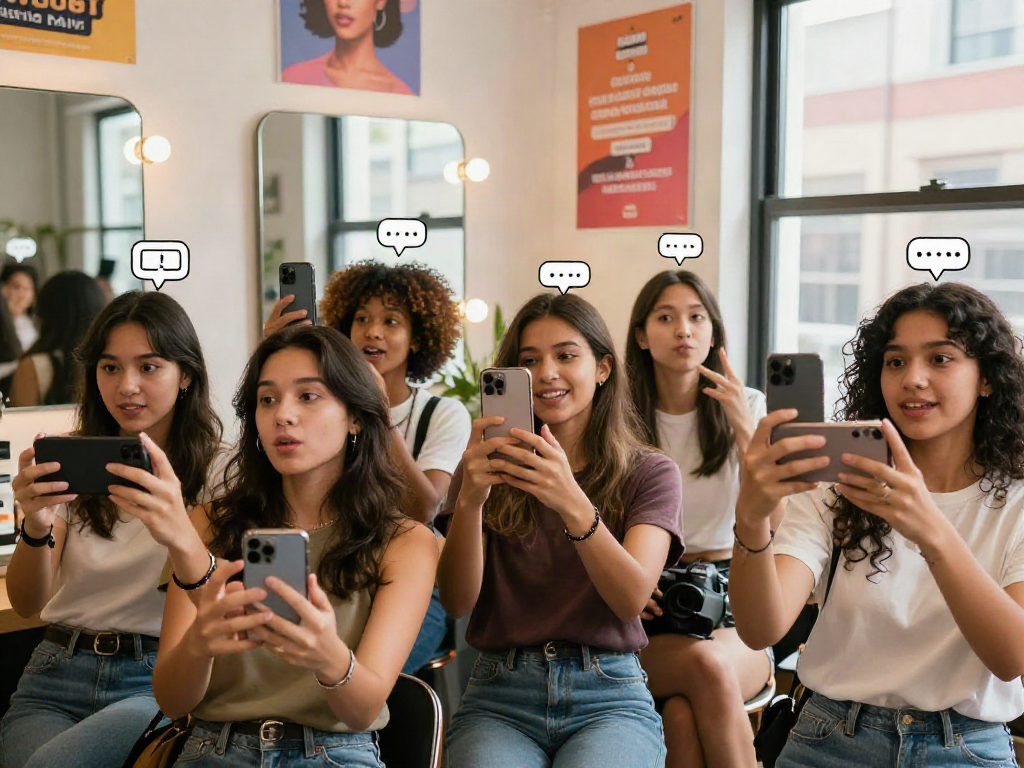
Consider hosting a fun "guess the age" contest at your next party. Equip guests with smartphones or tablets to use age estimation apps, encouraging them to guess each other's ages based on the results. This can spark lively discussions and even friendly competitions, adding an engaging twist to any gathering.
Engaging Friends with Age Guessing Games
Develop games around age perception by guessing the ages of celebrities, historical figures, or even mutual friends. This can lead to surprising revelations and a great way to foster camaraderie.
Sharing Results: Best Practices for Social Media
With social media being a massive part of our lives, consider sharing your fun age estimation results online. However, remember to keep conversations light-hearted, avoiding any sensitive discussions around age-related insecurities.
Common Misconceptions About Age Estimation
Despite the growing popularity of age estimation technology, several misconceptions persist that can lead to misunderstandings about its purpose and accuracy.
Understanding Privacy Concerns with Photo Uploads
One common concern is the privacy of uploaded photos. Users should ensure they understand how their data will be used and what security measures are in place to protect sensitive information.
Misinformation Around AI and Age Accuracy
Another misconception is that AI-driven estimates are definitive. In reality, these technologies offer approximations based on analysis rather than precise age determinations. The results can serve as entertainment rather than a factual assessment of one’s age.
Debunking Myths: Is Age Just a Number?
The phrase "age is just a number" holds merit as people often feel younger or older than their actual age. This difference emphasizes the importance of personal perspective over societal expectations. Conversations surrounding age should focus on positive aspects of aging and celebrating life experiences rather than mere numbers.
Trends in Age Perception Tools for 2026 and Beyond
The future of age estimation is bright, with technology rapidly evolving to improve experiential interactions. As we look towards 2026, several trends may define the landscape of age perception tools.
Future of AI in Age Detection Technologies
We can expect advancements in AI algorithms that will enhance the accuracy of age estimations. By integrating deeper learning methods and broader data diversity, these tools will likely provide even more accurate predictions in the near future.
Emerging Features and Innovations to Expect
Future tools may introduce augmented reality (AR) features that allow users to visualize their aging process over time. Such innovations could provide a more comprehensive understanding of how age impacts appearance, fostering greater self-acceptance.
How Age Estimation is Changing Social Interactions
As age perception tools become ubiquitous, they influence social dynamics. Users may find it easier to bond over age-related topics, leading to deeper connections based on shared experiences rather than superficial judgments.
What types of photos work best for estimating age?
Ideal photos for age estimation typically feature clear, well-lit frontal views of the face without obstructions like sunglasses or hats. Natural expressions produce the most accurate results.
Can age estimation tools be used for serious purposes?
While primarily used for entertainment, age estimation tools can also support fields like marketing and healthcare, where understanding demographic visuals is crucial.
How do I interpret the results from age estimation tools?
When interpreting results, it’s essential to remember that they are merely approximations. Cultural context, emotional state, and individual characteristics can all skew perceptions, so consider results as playful insights rather than absolute truths.
Are there any privacy risks in using these tools?
Yes, there are privacy risks. Users should be cautious about the platforms they choose and ensure they review privacy policies to understand how their data will be used and stored.
What are the limitations of current age estimation technologies?
Current limitations include dependency on the quality of uploaded images and the subjective nature of age perception. These technologies may not account for all variables affecting how age is perceived, including cultural differences or lifestyle variations.