Understanding Urban Fashion Trends in 2026
As we step into 2026, urban fashion continues to evolve in ways that reflect not only personal expression but also broader societal shifts. The rise of digital platforms and an increased focus on cultural narratives have transformed how fashion is perceived and created. This article explores the various dimensions of urban fashion, highlighting key influences, popular brands, and the challenges facing fashion enthusiasts today. For those interested in the latest trends involving personalities like Sophie Rain, who exemplify this vibrant culture, resources such as sophie rain xxx can provide insightful perspectives.
What is Urban Fashion?
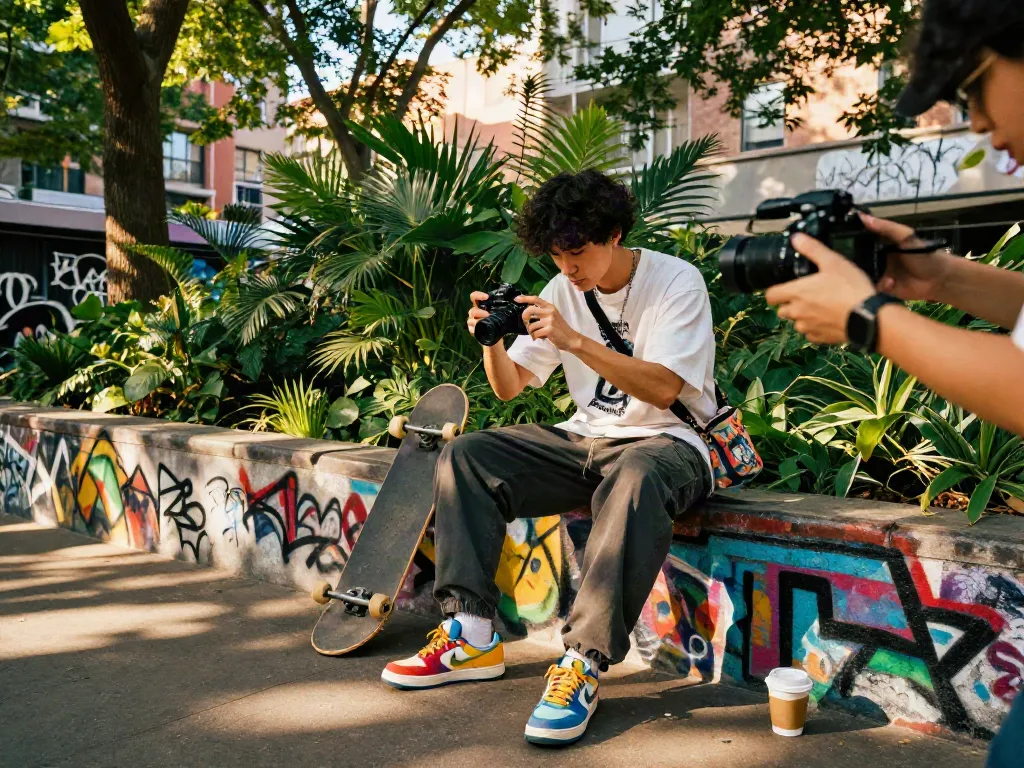
Urban fashion encompasses styles and trends that are often influenced by street culture, music, art, and social movements. It is characterized by its diverse expressions and is shaped heavily by the communities in which it originates. This fashion style not only reflects individual creativity but also communicates messages about identity, resistance, and belonging. Brands that tap into urban fashion often collaborate with artists and influencers to create collections that resonate with their target audience.
Key Influences on Urban Style
- Cultural Movements: Each decade has seen urban fashion influenced by significant cultural movements, from hip-hop in the '80s to the rise of skate culture in the '90s.
- Technology: Social media platforms play a vital role in shaping trends, with influencers showcasing styles that can quickly go viral.
- Inclusivity: Today's urban fashion is more inclusive, celebrating diversity in body types, gender identities, and cultural backgrounds.
Popular Brands and Collaborations
Several brands have become synonymous with urban fashion, thanks to their innovative designs and collaborations. Companies like Supreme, Off-White, and A Bathing Ape (BAPE) have established a strong foothold in the urban market, often releasing limited-edition items that create a buzz. Collaborations between fashion designers and music artists, such as those between Travis Scott and Nike, have taken urban wear to new heights, merging lifestyle with high fashion.
The Role of Content Creation in Fashion
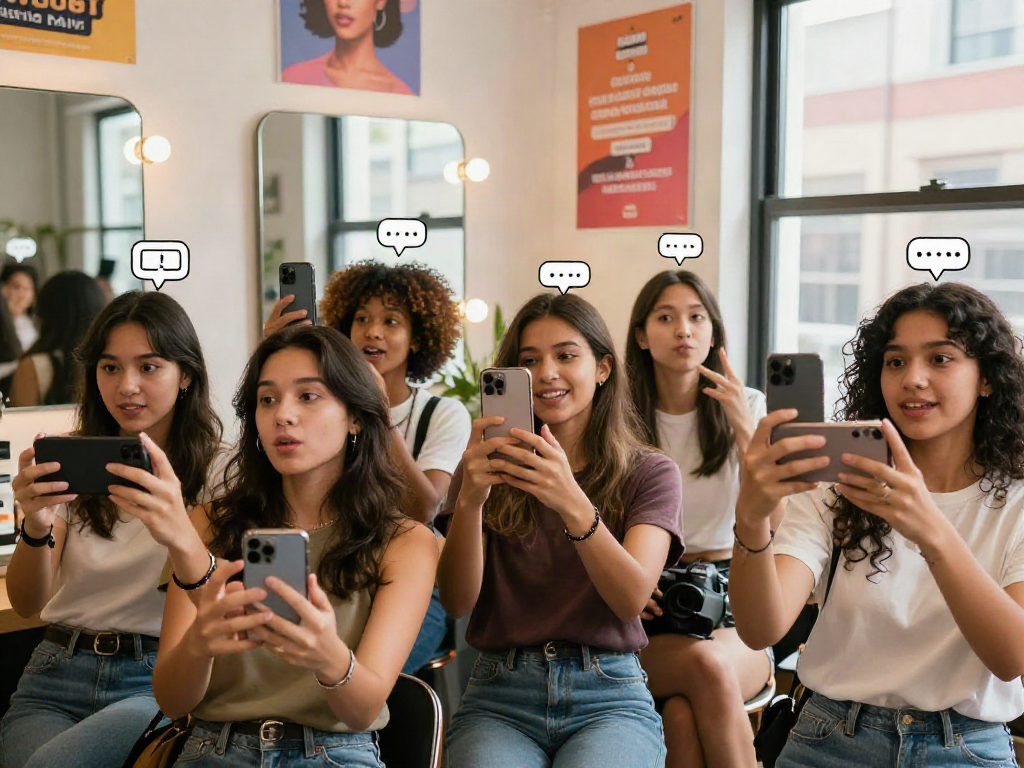
In today's digital age, content creation is pivotal within the fashion industry, especially in urban fashion where rapid changes often dictate market trends. Fashion influencers, like Sophie Rain, leverage platforms such as Instagram and TikTok to engage with their audiences, offering a glimpse into their personal styles and the latest trends.
Evolving Platforms for Fashion Creators
With the advent of new social media platforms, content creators continually adapt their strategies. TikTok, for example, has emerged as a powerful platform for fashion enthusiasts to showcase their outfits through short, engaging videos. Creators who understand the nuances of each platform can enhance their visibility and connect with wider audiences.
Engagement Strategies with Audiences
- Authenticity: Audiences appreciate genuine interactions. Creators who share their personal stories or behind-the-scenes looks tend to foster deeper connections.
- Consistency: Regular posting keeps followers engaged and helps build a loyal community.
- Collaboration: Partnering with other creators or brands can introduce fresh perspectives and expand audience reach.
Success Stories of Influencers
Influencers like Sophie Rain have carved out niches for themselves by seamlessly blending fashion content with lifestyle elements. Their ability to showcase urban fashion through personal narratives resonates with their followers, encouraging them to adopt similar styles. These success stories serve as case studies for aspiring influencers, showing the power of authenticity and strategic branding.
Integrating Lifestyle into Fashion Brands
The connection between lifestyle and fashion is more significant than ever. Brands that successfully convey their messaging through lifestyle elements often resonate more with consumers, driving brand loyalty and sales.
Brand Messaging and Identity
Today's consumers are looking for brands that reflect their values. Urban fashion brands that prioritize sustainability, inclusivity, and social responsibility can establish a stronger identity and foster customer loyalty.
Consumer Expectations for Authenticity
Shoppers expect brands to be authentic in their messaging. Transparency regarding sourcing, production practices, and the stories behind collections can help brands create a genuine connection with their audience.
Tactics for Connection Through Storytelling
Storytelling is a powerful tool in fashion marketing. By sharing the narratives behind their collections or the lives of the individuals who inspire their designs, brands can engage consumers on an emotional level. This tactic is particularly effective in urban fashion, where cultural storytelling plays a significant role in the community’s identity.
Challenges Facing Urban Fashion Enthusiasts
Despite the vibrant and inclusive nature of urban fashion, several challenges remain for enthusiasts and creators alike.
Overcoming Cultural Appropriation Issues
As urban fashion draws heavily from various cultures, the risk of cultural appropriation is a significant concern. Brands and influencers must navigate this landscape carefully, ensuring they respect the cultures they draw inspiration from and engage in meaningful dialogue with those communities.
Managing Fast Fashion Criticism
Fast fashion continues to face scrutiny due to its environmental impact. Urban fashion enthusiasts are becoming more conscious of sustainability, leading to a demand for ethically produced garments. This shift is prompting brands to evaluate their practices and consider more sustainable approaches.
Addressing Sustainability Concerns
The conversation around sustainability in fashion is evolving. Urban fashion brands are responding by incorporating eco-friendly materials and practices into their designs. Educating consumers on the importance of sustainable fashion is crucial, as it can foster more responsible purchasing habits.
Future Directions for Urban Fashion
As urban fashion adapts to the changing landscape of consumer preferences and technological advancements, the future looks promising with innovative trends and practices emerging.
Innovative Material Trends for 2026
In the coming years, we can expect to see more brands experimenting with cutting-edge materials such as bio-fabricated textiles and recycled fibers. These innovations not only appeal to eco-conscious consumers but also push the boundaries of design.
Emerging Technology in Fashion
Technology is reshaping the fashion industry, with advancements like augmented reality (AR) allowing consumers to virtually try on clothing. This technology enhances the shopping experience and helps reduce the number of returns, which contributes to sustainability.
Predictions for Style Evolution
As fashion continues to evolve, the blending of casual and high-end styles is likely to dominate urban fashion. Expect to see an increased focus on comfort and versatility as consumers seek styles that can seamlessly transition from day to night.
What defines urban fashion for 2026?
Urban fashion in 2026 is defined by inclusivity, sustainability, and cultural awareness. As styles evolve, the emphasis will be on authentic storytelling and community engagement.
How can content creators succeed in the fashion industry?
Success in the fashion industry requires creators to stay engaged with their audience, stay informed about trends, and be authentic in their presentations. Harnessing the power of storytelling can also differentiate them in a crowded market.
What challenges do influencers face today?
Influencers today face challenges such as maintaining authenticity amidst commercialization, addressing sustainability concerns, and navigating the fast-paced changes in social media algorithms.
What are the latest trends in sustainable fashion?
Recent trends in sustainable fashion include upcycling, the use of organic materials, and a focus on transparency in supply chains. These trends resonate deeply with consumers who prioritize ethical considerations in their purchasing decisions.
How is technology shaping fashion marketing?
Technology is revolutionizing fashion marketing, making it more interactive and personalized. From AI-driven recommendations to virtual fashion shows, technology allows brands to engage consumers in innovative ways.