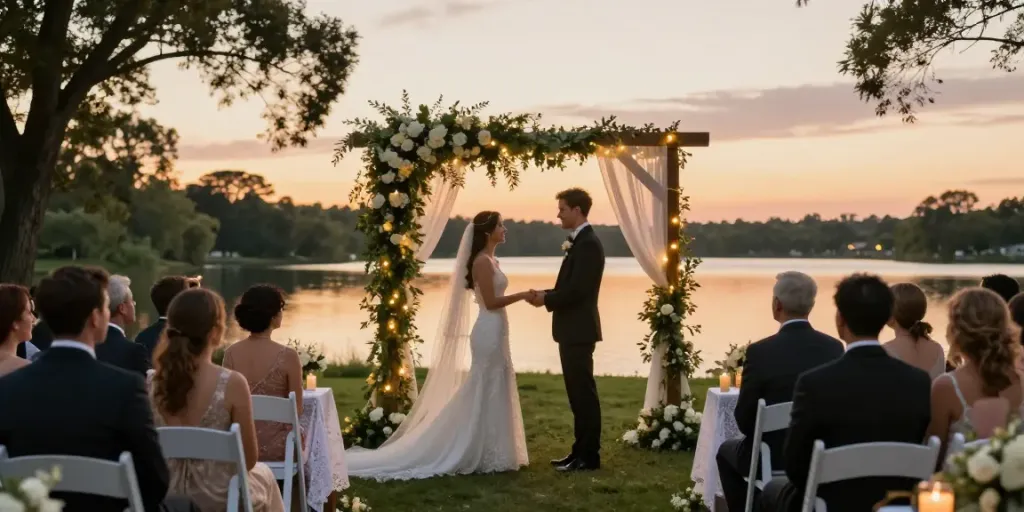
Understanding the Basics of How to Plan a Wedding
Planning a wedding can feel like an overwhelming endeavor, filled with excitement and, at times, uncertainty. For engaged couples, the journey towards that perfect day is often filled with countless decisions. From choosing a venue to finalizing the guest list, the planning process involves a myriad of details that must be carefully considered. Luckily, there are structured approaches and strategies that can simplify this process. If you’re interested in how to plan a wedding, you’ve come to the right place. This article will guide you through the essential steps and decisions involved in planning a flawless wedding celebration.
What to Consider Before You Start Planning?
Before diving into the specifics of wedding planning, it’s vital to understand the overarching aspects that will shape your special day. Consider the following questions:
- What is your vision for the wedding?
- How many guests do you plan to invite?
- What style or theme resonates with you both?
- What is your budget?
By answering these questions, you will lay a solid foundation for the planning process. This initial thought process can significantly streamline your decision-making as you progress.
Setting a Realistic Wedding Budget
Establishing a budget is arguably one of the most critical parts of planning a wedding. According to recent surveys, the average cost of a wedding can range significantly based on location, guest count, and preferred style. Here are some key steps to help you create a realistic budget:
- Prioritize: Determine which aspects of the wedding are most important to you both. Whether that's the venue, catering, or entertainment, prioritize these elements in your budget.
- Research: Look into average costs for your desired services in your area. This will provide a baseline for your expectations.
- Allocate Funds: Divide your budget into categories such as venue, catering, attire, and decorations, ensuring to leave a buffer for unexpected expenses.
Choosing the Right Wedding Date and Venue
The choice of date and venue can significantly impact your overall planning. Here are some tips on how to make these choices:
- Season: Consider the season you want to get married in—each season offers a different ambiance.
- Day of the Week: Saturdays are popular but often more expensive. Consider a Friday or Sunday to save costs.
- Size and Capacity: Your venue should accommodate your guest list comfortably, allowing space for dining and dancing.
Creating Your Wedding Vision
Once you have a budget and a date set, it’s time to get creative. Your wedding should reflect your personalities and love story.
Defining Your Style and Theme
Establishing a coherent theme helps in ensuring that all elements of your wedding align beautifully. Here are a few popular themes:
- Rustic: Ideal for barns or outdoor settings, incorporating natural elements.
- Elegant: Think classic touches with sophisticated colors and décor.
- Vintage: Incorporate heirlooms and antiques for a charming throwback feel.
Crafting a Unique Guest Experience
Your guests should feel special and welcomed throughout the event. Consider personalized touches, such as:
- Personalized seating charts.
- Unique favors that reflect your story.
- Interactive elements, like a photo booth or a guest book alternative.
Using Wedding Planning Tools Effectively
Modern technology offers various tools to help streamline the planning process. Utilize apps and websites that provide:
- Budget tracking.
- Guest list creation and RSVPs.
- Vendor management.
Securing Key Vendors
Vendors play a crucial role in bringing your wedding vision to life. Here’s how to effectively choose and manage them.
Choosing a Wedding Planner or Coordinator
A wedding planner can alleviate much of the stress associated with planning your big day. When choosing a planner, consider:
- Experience and reviews.
- Compatibility with your vision.
- Fee structure and services offered.
Tips for Selecting Caterers, Photographers, and Florists
Your caterer, photographer, and florist contribute significantly to the ambiance and satisfaction of your wedding. Here’s how to choose wisely:
- Caterers: Sample their offerings and inquire about dietary accommodations.
- Photographers: Review their portfolios to ensure their style aligns with your preferences.
- Florists: Discuss your color palette and get recommendations based on the season.
Understanding Vendor Contracts and Negotiations
Vendor contracts can be complex. Always read them thoroughly and look for:
- Payment terms and cancellation policies.
- Specific services included.
- Liability clauses and insurance requirements.
Building Your Wedding Team
Support from family and friends is invaluable during the planning process. Here’s how to build your wedding team.
Enlisting Family and Friends for Support
Delegate tasks based on strengths and interests. Involve family members in decisions regarding:
- Vendor selection.
- Decorations and DIY projects.
- Day-of coordination tasks.
Creating an Effective Wedding Party
Your wedding party should be composed of individuals who uplift and support you. Select those who share your vision and can help on the day.
Assigning Roles and Responsibilities
Establish clear roles for everyone involved. For instance:
- Best man and maid of honor can oversee the rehearsal dinner.
- Family members can assist with coordinating arrival times.
Executing Your Plan on the Big Day
The day you’ve worked so hard for is finally here! Effective execution is key to ensuring everything goes smoothly.
Creating a Detailed Timeline for Your Wedding Day
A detailed timeline helps everyone stay on track. Include:
- Start and end times for the ceremony and reception.
- Time allocated for hair and makeup.
- Timing for vendor arrivals and setups.
Handling Last-Minute Changes and Emergencies
Despite meticulous planning, things may not go as expected. It’s crucial to remain flexible and have a backup plan for:
- Weather disruptions.
- Vendor delays or cancellations.
Post-Wedding Tasks: Thank You Notes and Feedback
After the celebration, transition to wrapping up post-wedding tasks. This includes sending thank you notes and gathering feedback from guests.
What are the Vital Steps to Plan a Wedding?
In summary, here are the vital steps in planning a wedding:
- Set a budget.
- Choose a date and venue.
- Create your wedding vision.
- Secure key vendors.
- Build your team.
- Execute a detailed day-of plan.
How Long Does it Take to Plan a Wedding?
While the timeline can vary greatly, most couples take anywhere from 6 to 18 months to plan a wedding, depending on the size and complexity of the event.
What Should I Prioritize When Planning a Wedding?
Focus on establishing your budget, choosing the right venue, and securing key vendors as your primary priorities.
How Do I Create a Wedding Budget?
Begin by discussing financial contributions with all parties involved, setting clear priorities, and allowing for flexibility.
What are Essential Elements of a Wedding Ceremony?
Key elements typically include officiants, vows, rings, and music, all of which help create the atmosphere for your ceremony.. Additionally, how to plan a wedding provides further details.