Understanding Reclaimed Water Systems
Reclaimed water systems are becoming increasingly important in the face of global water scarcity and environmental sustainability challenges. These systems allow for the treatment and repurposing of wastewater, transforming it into a valuable resource that can be reused for various applications, including irrigation, industrial processes, and even potable uses in some regions. In this article, we will explore the fundamentals of reclaimed water systems, their benefits, and the advanced technologies that power them, with a special focus on innovative solutions like reclaimed water systems.
What are Reclaimed Water Systems?
Reclaimed water systems refer to the processes and infrastructure designed to treat wastewater and convert it into reusable water. This can include municipal sewage, industrial effluent, or stormwater runoff. The treatment processes involved can vary widely, from simple filtration to advanced methods like membrane bioreactors (MBR) and reverse osmosis (RO). The primary goal of these systems is to ensure that the treated water meets safety standards for its intended use, which can range from non-potable applications like landscape irrigation to potable uses in water-scarce areas.
How Do Reclaimed Water Systems Work?
The operation of reclaimed water systems generally involves several key stages. First, influent wastewater is collected and pre-treated to remove larger solids and debris. Following this, the wastewater undergoes secondary treatment, which typically employs biological processes to degrade organic matter. Next, advanced treatment technologies, such as ultrafiltration (UF) and reverse osmosis, are employed to remove pathogens and contaminants, producing high-quality reclaimed water that can be utilized across various sectors.
Benefits of Implementing Reclaimed Water Systems
- Sustainability: Utilizing reclaimed water significantly reduces the demand for freshwater resources, promoting sustainability in water-scarce regions.
- Cost Savings: By recycling water, municipalities and industries can lower their water procurement costs and reduce wastewater disposal fees.
- Environmental Protection: Reclaimed water systems help to mitigate the impact of stormwater runoff and reduce pollution in natural water bodies.
- Public Health: Properly treated reclaimed water can be safe for various uses, helping to protect public health while ensuring water availability.
Types of Reclaimed Water Systems
Containerized Reclaimed Water Systems Explained
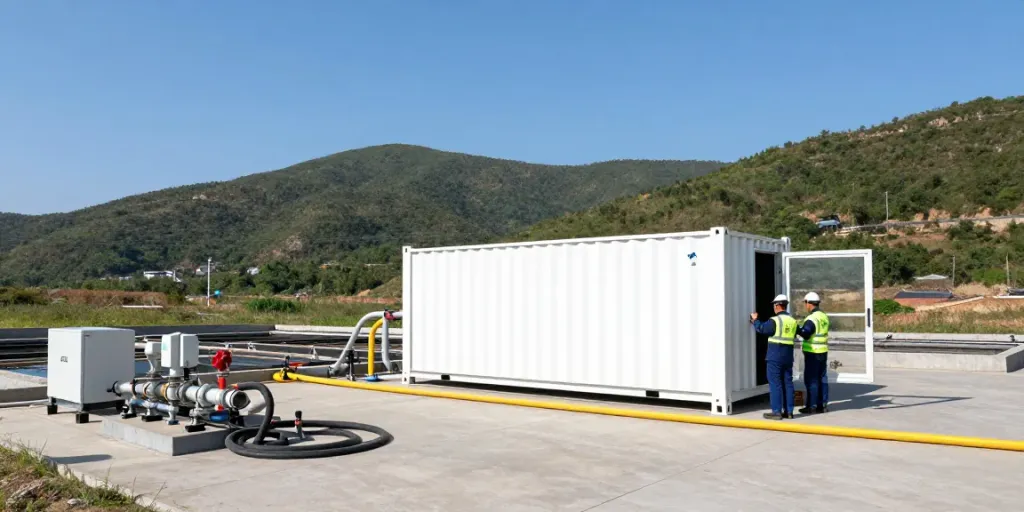
Containerized reclaimed water systems represent an innovative solution for wastewater management, especially in remote or decentralized locations. These pre-engineered units are designed for rapid deployment and can be easily transported, making them ideal for areas lacking infrastructure or where traditional treatment plants are not feasible. They come equipped with advanced technologies like MBR and RO, ensuring that the water produced meets high safety and quality standards.
Modular vs. Fixed Systems: Which to Choose?
When considering reclaimed water systems, stakeholders face a choice between modular and fixed installations. Modular systems, like containerized solutions, offer flexibility and scalability, allowing for quick adjustments in response to changing water needs. On the other hand, fixed systems, while often more capital-intensive, can provide greater long-term efficiency and lower operational costs for communities with stable and predictable water demands.
Advanced Technologies in Reclaimed Water Systems
The integration of cutting-edge technologies is crucial for the effectiveness of reclaimed water systems. Notable innovations include:
- Membrane Bioreactor (MBR): MBR combines biological treatment with membrane filtration, providing superior effluent quality.
- Ultrafiltration (UF): UF membranes are effective in removing suspended solids, bacteria, and viruses from wastewater.
- Reverse Osmosis (RO): RO is critical for achieving high purity levels in reclaimed water, making it suitable for even the most sensitive applications.
Applications of Reclaimed Water
Use in Municipal and Industrial Settings
Reclaimed water plays a vital role in municipal water management, particularly in urban areas facing water stress. It can be used for irrigation of parks, golf courses, and landscaping, thus conserving potable water for essential uses. Additionally, industries utilize reclaimed water for cooling processes, washing, and even as a feedstock in production processes, reducing their reliance on freshwater resources and lowering operational costs.
Benefits for Agriculture and Irrigation
Agriculture is one of the largest consumers of water worldwide, making it an ideal sector for reclaimed water use. Farmers can utilize treated wastewater for crop irrigation, which not only lessens the demand for conventional water sources but also minimizes the environmental impact associated with excessive water extraction from natural bodies. Furthermore, advanced treatment ensures that the water used is safe for crops and complies with agricultural standards.
Innovative Uses in Remote Locations
In remote or off-grid locations where access to clean water is limited, containerized reclaimed water systems present a game-changing opportunity. These portable units can provide immediate water solutions for construction sites, disaster relief areas, and remote communities, ensuring that even the most isolated populations have access to essential water resources.
Implementation Challenges
Common Myths about Reclaimed Water Systems
Despite the advances in reclaimed water technologies, several misconceptions persist. One common myth is that reclaimed water is unsafe for use. However, with rigorous treatment processes and adherence to health standards, reclaimed water can be as safe, if not safer, than some sources of potable water. It is essential to educate the public about the safety and benefits of reclaimed water to foster acceptance and wider adoption.
Regulatory Considerations for Implementation
The regulatory framework surrounding reclaimed water systems varies significantly by region. Stakeholders must navigate complex local, state, and federal regulations to ensure compliance while implementing these systems. Developing clear guidelines and standards for treatment and use is critical for safeguarding public health and minimizing environmental impacts.
Best Practices for Operational Success
To achieve successful implementation of reclaimed water systems, several best practices should be considered:
- Engaging Stakeholders: Involve local communities, regulatory authorities, and potential users early in the planning process.
- Ensuring Education and Training: Provide training for operators and educate the public on the benefits of reclaimed water usage.
- Monitoring and Maintenance: Regularly monitor the quality of the reclaimed water and ensure that maintenance protocols are followed to sustain system efficiency.
Future Trends in Reclaimed Water Technology
Emerging Technologies Shaping Water Recycling
The future of reclaimed water systems is being shaped by numerous emerging technologies. Advances in biological treatment methods, sensor technology for real-time monitoring, and improvements in membrane technologies are all contributing to more efficient and effective water recycling processes. Furthermore, innovations in artificial intelligence are enabling better management and optimization of water reuse systems.
The Role of Automation and IoT in Water Systems
Automation and the Internet of Things (IoT) are set to revolutionize the monitoring and management of reclaimed water systems. By integrating IoT devices, stakeholders can gain insights into system performance, detect anomalies, and optimize operational efficiency. This technological convergence represents a significant step toward a more sustainable and resilient water future.
Predictions for Reclaimed Water Systems in 2026 and Beyond
As we move toward 2026, the demand for reclaimed water systems is expected to grow exponentially. With increasing water scarcity due to climate change and population growth, the adoption of these technologies will be crucial. Future systems will likely become more advanced, with a greater emphasis on sustainability and circular economy principles, ensuring that water is reused and recycled wherever possible.
What does "reclaimed water system" mean?
A reclaimed water system is a facility or network designed to treat wastewater and provide it for reuse in various applications, effectively converting what would otherwise be waste into a valuable resource.
What are the disadvantages of using recycled water?
Some disadvantages of using recycled water include potential public perception issues, initial capital costs for installation, and the need for strict regulation to ensure safety. Additionally, improper treatment or monitoring can lead to health risks.
Is reclaimed water cheaper than regular water?
Reclaimed water can be cheaper than regular potable water, especially in areas facing water scarcity. The cost-effectiveness often depends on local regulations, infrastructure investments, and treatment methods.
How does a water reclaim system work?
A water reclaim system works by collecting wastewater, treating it through a series of processes to remove contaminants, and then distributing the treated water for various uses, depending on the treatment level achieved and regulatory compliance.