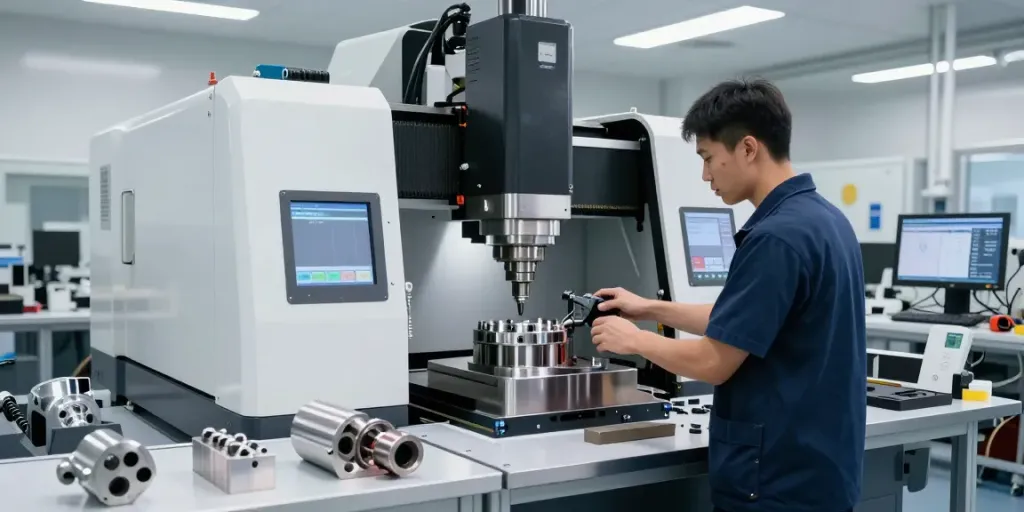
Understanding Aerospace CNC Machining
Aerospace CNC machining has revolutionized the way components are manufactured for the aviation and space industries. Since 2003, Honscn has focused on providing professional CNC machining services tailored specifically for aerospace applications. The precision required in this field dictates an unparalleled standard in manufacturing processes and materials used. As the demand for high-quality aerospace components continues to rise, so does the need for reliable partners in the supply chain. When exploring options, leading aerospace cnc parts manufacturers can provide comprehensive insights and solutions to meet diverse aerospace needs.
What Are CNC Machining Services in Aerospace?
CNC (Computer Numerical Control) machining services in aerospace encompass a variety of machining processes used to create components with intricate designs and strict tolerances. This technology allows for automated control of machine tools, resulting in enhanced accuracy and efficiency. Aerospace CNC machining is crucial for producing parts such as engine components, airframe structures, and landing gear systems where even minor deviations can lead to significant safety and performance issues.
The Evolution of CNC Machining in Aerospace Manufacturing
The aerospace industry has witnessed substantial advancements in CNC machining technologies over the years. Initially, manual machining processes dominated the industry, but the introduction of CNC technology in the late 20th century marked a turning point. This evolution not only improved production rates but also minimized human error, which is critical in the aerospace sector where safety is paramount. Advances such as 5-axis machining have further expanded the capabilities of CNC machining, allowing for the production of complex geometries that were previously impossible.
Key Materials Used in Aerospace CNC Machining
Materials selection is crucial in aerospace CNC machining, as components must withstand extreme conditions. Over 35 types of metal materials are commonly used, including:
- Aluminum Alloys: Lightweight and strong, ideal for airframe structures.
- Titanium Alloys: High strength-to-weight ratio and corrosion resistance, used in critical components.
- Stainless Steel: Known for its durability and resistance to heat and corrosion.
- Copper Alloys: Excellent conductivity, often used in electrical components.
Additionally, a variety of plastics such as Polycarbonate (PC) and Polyethylene (PE) are utilized in applications like interior components and lightweight assemblies.
Pros of Choosing Leading Aerospace CNC Parts Manufacturers
High Precision and Quality Control Standards
One of the most significant advantages of working with leading aerospace CNC parts manufacturers is the high precision and rigorous quality control standards they adhere to. These manufacturers often possess certifications such as AS9100, which indicates compliance with aerospace quality management standards. Quality assurance processes include detailed inspections and testing, ensuring that every part meets or exceeds industry specifications.
Flexibility in Production: From Prototyping to Mass Production
Leading manufacturers offer flexibility in their production capabilities, providing services that range from rapid prototyping to mass production. This is essential for aerospace projects that often require iterative designs and modifications. By partnering with a manufacturer that can seamlessly transition from low-volume prototypes to high-volume production, companies can streamline their project timelines and reduce costs.
Cost-Effectiveness Over Time
While the initial investment in CNC machining services may be higher than traditional manufacturing methods, the long-term cost-effectiveness is undeniable. Reduced waste, increased precision, and faster lead times contribute to lower overall production costs. Furthermore, the durability of the components produced using CNC machining techniques often results in a lower total cost of ownership over the lifecycle of the aerospace systems.
Common Challenges in Aerospace CNC Machining
Material Supply Chain Issues
The aerospace industry faces ongoing challenges related to material supply chains. Disruptions in the supply chain can delay production schedules and increase costs. Manufacturers must navigate these challenges by establishing robust relationships with multiple suppliers and staying informed about market changes that could impact material availability.
Managing Production Costs and Time
Another common challenge is balancing production costs with the need for speed. In the aerospace sector, time-to-market can significantly affect a company's competitive edge. Effective project management, along with advanced planning and scheduling processes, can help mitigate these challenges.
Compliance with Aerospace Industry Standards
Compliance with industry standards is critical in aerospace manufacturing. Manufacturers must keep pace with evolving regulations and maintain certifications to ensure product safety and reliability. This involves continuous training and investment in new technologies, making it a significant commitment for aerospace CNC manufacturers.
Best Practices for Partnering with CNC Manufacturers
Evaluating Manufacturer Capabilities and Certifications
When selecting a CNC manufacturer, it is essential to evaluate their capabilities and certifications. Look for manufacturers that have demonstrated expertise in aerospace machining and possess relevant certifications like ISO 9001 or AS9100. This ensures they are capable of meeting the stringent requirements of the aerospace industry.
Building Strong Collaborative Relationships
Building strong collaborative relationships with CNC manufacturers can enhance communication and resource sharing. Engaging in regular dialogues, sharing project insights, and addressing challenges together fosters a partnership that can lead to innovative solutions and better outcomes.
Implementing Advanced Technology for Enhanced Precision
Utilizing advanced technologies such as automation, robotics, and IIoT (Industrial Internet of Things) can improve precision and efficiency in CNC machining. Manufacturers that invest in the latest technologies are better positioned to deliver high-quality components that meet the evolving needs of the aerospace industry.
The Future of Aerospace CNC Machining in 2026
Emerging Trends in Aerospace Manufacturing
As we approach 2026, several trends are emerging in aerospace CNC machining. Increased investment in automation and additive manufacturing is becoming more prevalent, allowing for faster production cycles and more complex designs. Additionally, the push for sustainability is leading manufacturers to explore eco-friendly materials and practices.
Adoption of New Materials and Technologies
The aerospace industry is also seeing a rise in the adoption of new materials, such as composites and advanced alloys, which offer improved performance characteristics. These materials, combined with advanced machining techniques, will shape the future of aerospace manufacturing, enabling lighter, stronger, and more efficient components.
Predictions for Industry Growth and Development
The aerospace CNC machining market is poised for significant growth over the next few years, driven by increasing demand for aircraft and space exploration initiatives. As manufacturers adopt cutting-edge technologies and maintain rigorous quality standards, they will be better equipped to meet the future challenges of the aerospace industry.
What are the leading aerospace CNC parts manufacturers?
The leading aerospace CNC parts manufacturers are known for their commitment to quality, precision, and innovation. Companies like Boeing, Lockheed Martin, and Honscn are at the forefront of this industry, providing essential components that contribute to the safety and effectiveness of aerospace systems.
How does CNC machining work in aerospace applications?
CNC machining in aerospace applications involves the use of computer-controlled machines to manufacture parts with high accuracy and repeatability. After a design is created, CNC machines follow the specifications and create the component from raw materials, ensuring that each part meets exact tolerances required by aerospace standards.
What materials are most commonly used in aerospace parts?
Common materials used in aerospace parts include aluminum, titanium, stainless steel, and various high-performance plastics. Each material has distinct properties that make it suitable for specific applications within the aerospace sector.
What certifications should aerospace CNC manufacturers have?
Aerospace CNC manufacturers should have certifications such as AS9100 and ISO 9001 to ensure compliance with industry standards. These certifications demonstrate a manufacturer’s commitment to quality management and continuous improvement processes.
What challenges do aerospace manufacturers face today?
Aerospace manufacturers face challenges including supply chain disruptions, compliance with stringent regulations, and the need for rapid innovation. Addressing these challenges requires strategic planning and collaboration across the supply chain.