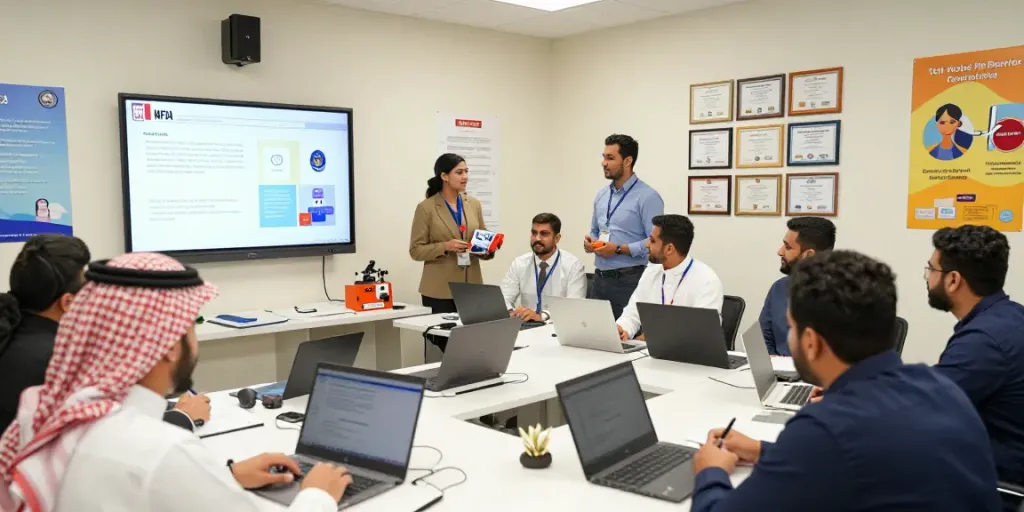
The Importance of Health and Safety Training in Saudi Arabia
In today's rapidly evolving work environment, particularly in industries such as construction, oil and gas, and manufacturing, the emphasis on Health, Safety, and Environmental (HSE) training has become paramount. With the Kingdom of Saudi Arabia's substantial investment in infrastructure and industrial development, ensuring the safety of workers is not just a regulatory requirement; it is essential for maintaining productivity and employee morale. Effective health and safety training can significantly reduce workplace incidents, fostering a culture of safety that benefits both employers and employees alike. To navigate these complex regulations, organizations often turn to accredited HSE training institutes that provide comprehensive courses tailored to the unique needs of their industries. When exploring options, Training Institute Saudi Arabia provides comprehensive insights into available training programs and certifications.
Understanding HSE Regulations and Compliance
Saudi Arabia has implemented stringent HSE regulations to ensure that industries comply with international best practices. Understanding these regulations is crucial for organizations seeking to maintain compliance and avoid penalties. The Ministry of Human Resources and Social Development, along with the Saudi Standards, Metrology and Quality Organization (SASO), has developed a framework that governs workplace safety. Organizations must be aware of the standards applicable to their specific sectors and ensure that their employees receive relevant training.
Compliance with these regulations not only protects workers but also enhances an organization's reputation. Companies that prioritize safety are viewed more favorably by clients and stakeholders, promoting a positive business environment that can lead to increased opportunities and profitability.
Key Benefits of Health and Safety Certifications
Obtaining health and safety certifications offers numerous benefits for both employees and employers. For individuals, certifications are a means to demonstrate their expertise and commitment to workplace safety. They also enhance employability in Saudi Arabia's competitive job market, as many organizations prefer or require certified candidates for safety-critical roles.
- Enhanced Knowledge: Employees gain a deeper understanding of safety protocols and risk management strategies.
- Regulatory Compliance: Certification helps organizations comply with local and international safety regulations.
- Improved Workplace Safety: A well-trained workforce is better equipped to handle emergencies, reducing the likelihood of accidents.
- Cultural Shift: Emphasizing safety training fosters a culture of responsibility and care among employees.
Impact on Workplace Safety Culture
The implementation of effective health and safety training has a profound impact on the overall workplace safety culture. When employees are empowered with knowledge and skills, they are more likely to engage in safe practices and report potential hazards. This proactive approach to safety can lead to a significant reduction in accidents and injuries.
Moreover, organizations that prioritize safety often see improved employee morale, as workers feel valued and secure in their environments. A strong safety culture can also lead to enhanced productivity, as teams experience fewer disruptions due to accidents and injuries.
Top Certifications Offered by Training Institutes in Saudi Arabia
When it comes to health and safety training, a variety of certifications are available through training institutes in Saudi Arabia. Understanding these certifications is essential for both employers and employees looking to enhance their skills and knowledge.
NATIONAL FIRE PROTECTION ASSOCIATION (NFPA) Courses
The NFPA is renowned for establishing codes and standards that support safety in fire prevention and protection. Their courses cover essential topics, including fire protection systems, life safety principles, and emergency response strategies. Participating in NFPA courses not only equips professionals with essential skills but also provides them with a globally recognized certification that enhances their credibility in the field.
ProQual Diplomas: Levels 6 and 7 Explained
ProQual diplomas are designed to cater to individuals seeking advanced qualifications in health and safety management. The Level 6 Diploma in Occupational Health and Safety Practice focuses on developing practical skills and knowledge essential for managing workplace safety effectively. Meanwhile, the Level 7 Diploma in Strategic Health and Safety Leadership and Management is tailored for senior professionals, emphasizing leadership skills and the strategic implementation of safety policies.
Recognized ISO Certifications and Their Importance
ISO certifications, such as ISO 9001:2015 for Quality Management Systems, ISO 14001:2026 for Environmental Management Systems, and ISO 45001:2018 for Occupational Health and Safety Management Systems, are vital for organizations aiming for international recognition. These certifications demonstrate an organization's commitment to quality, environmental stewardship, and employee safety. Obtaining these certifications not only enhances credibility but also opens doors to new business opportunities.
Choosing the Right Training Institute in Saudi Arabia
Selecting the right training institute is crucial for maximizing the benefits of health and safety training. Various factors should be considered to make an informed choice that aligns with organizational goals and employee needs.
Factors to Consider in Selecting a Training Provider
When evaluating potential training providers, organizations should consider the following factors:
- Accreditation: Ensure the institute is accredited by recognized bodies, such as the National Fire Protection Association (NFPA), ProQual, or IOSH.
- Course Range: Look for institutes that offer a diverse range of courses to meet specific industry needs.
- Instructor Qualifications: Verify the qualifications and experience of instructors to ensure high-quality training delivery.
- Flexibility: Check for options like on-site training and customizable courses that fit the organization’s schedule.
Reviews and Success Stories from Past Students
Reading reviews and testimonials from past students can provide valuable insights into the effectiveness of a training program. Positive feedback often indicates a reputable training institute that delivers on its promises. Look for success stories that highlight how previous participants have advanced their careers following certification.
Location, Flexibility, and Customization Options
The location of the training institute can significantly impact attendance and convenience. Many institutes in Saudi Arabia offer on-site training, which can be more economical for organizations with larger teams. Additionally, customization options for training content ensure that the material is relevant to specific workplace environments and challenges.
Maximizing the Value of Your Training Experience
Investing in health and safety training is just the first step; maximizing the value of that training requires active engagement and a proactive approach.
Engaging Fully in Training Activities
Encouraging employees to engage fully in training activities is crucial for reinforcing the knowledge gained. Participating in hands-on exercises, discussions, and role-playing scenarios can help solidify understanding and promote retention of information.
Leveraging Training for Career Advancement
Employees should take advantage of the skills and knowledge gained from training to seek advancement opportunities within their organizations. Being proactive about applying new skills in the workplace can lead to promotions and greater responsibilities.
Measuring Your Training Outcomes and ROI
Organizations should establish metrics to measure the effectiveness of training programs. This can include tracking changes in workplace incidents, employee feedback, and overall productivity. Assessing return on investment (ROI) helps organizations understand the value of their training initiatives and identify areas for future development.
Future Trends in Health and Safety Training in Saudi Arabia
The landscape of health and safety training is constantly evolving, driven by technological advancements and regulatory changes. Staying ahead of trends is essential for organizations committed to maintaining high safety standards.
Innovations in Online and On-Site Training
Recent advancements in online training platforms have made it easier for employees to access health and safety training at their convenience. Blended learning approaches, which combine online and on-site training, are becoming increasingly popular as they offer flexibility and comprehensive learning experiences.
The Role of Technology in Training Methods
Incorporating technology into training methods can enhance learning experiences. Virtual reality (VR) and augmented reality (AR) are being utilized to simulate real-world scenarios, providing immersive training experiences that prepare employees for emergency situations.
Preparing for the Future of HSE Regulations
As the regulatory landscape continues to evolve, organizations must stay informed about new requirements and standards. Engaging with training providers who offer courses on emerging regulations ensures that staff are always up-to-date with best practices in health and safety.
What are the benefits of health and safety training?
Health and safety training provides employees with the necessary knowledge and skills to prevent accidents and injuries in the workplace. It promotes a culture of safety, enhances compliance with regulations, and can improve overall productivity.
How can I choose the best training institute in Saudi Arabia?
To choose the best training institute, consider factors such as accreditation, course offerings, instructor qualifications, and reviews from past students. Evaluating these elements will help you find a reputable provider that meets your specific needs.
What certifications are most valued in the Saudi job market?
Certifications from recognized bodies such as the NFPA, ProQual, and ISO certifications are highly valued in the Saudi job market. These credentials demonstrate a commitment to safety and compliance, significantly enhancing employability.
What is the average cost of HSE certifications in Saudi Arabia?
The cost of HSE certifications can vary widely based on the provider and the specific course. Organizations should budget accordingly and consider the long-term benefits of investing in comprehensive training.
How do I ensure my training is recognized internationally?
To ensure international recognition of training, select accredited programs from globally recognized bodies. Consider certifications that are internationally acknowledged and applicable to various industries.