Understanding the Role of Pre Schools in Singapore
In the dynamic landscape of early childhood education, pre schools in Singapore play a pivotal role in laying the groundwork for lifelong learning. These institutions are not just places where children merely wait for primary school; they are environments rich with opportunities for exploration, inquiry, and holistic development. Understanding how these early education settings operate can help parents make informed decisions that align with their child's unique needs.
What Defines Quality Early Childhood Education?
Quality early childhood education is characterized by several key factors that contribute to child development. These include a well-structured curriculum, highly qualified teachers, and a nurturing atmosphere. The curriculum should prioritize play-based learning, enabling children to explore concepts through hands-on activities. Additionally, an ideal preschool should foster an inclusive environment where diversity is celebrated, helping children develop social skills and emotional intelligence.
The Importance of Holistic Development
Holistic development is crucial during the early years as it encompasses not merely cognitive growth but also emotional, social, and physical development. As children engage in various activities and experiences, they learn to navigate their emotions, collaborate with peers, and develop motor skills. This multi-dimensional approach prepares them for future challenges, both academically and socially.
Inquiry-Based Learning vs. Traditional Methods
Traditionally, educational settings often adhered to rote memorization, where children were passive recipients of knowledge. In contrast, inquiry-based learning invites children to ask questions, explore their environment, and engage with concepts actively. This model emphasizes critical thinking and problem-solving, enabling children to develop a genuine interest in learning rather than viewing it as a chore.
Benefits of Inquiry-Based Curriculum in Pre Schools
The implementation of an inquiry-based curriculum in preschools offers numerous benefits. By shifting the focus to exploration and natural curiosity, children are more likely to retain knowledge and develop a love for learning. This approach not only aligns with children's innate curiosity but also equips them with vital skills necessary for the 21st century.
Empowering Curiosity and Critical Thinking
When children are encouraged to explore their interests, they become empowered learners. Inquiry-based learning fosters a sense of curiosity, prompting children to ask questions and seek answers. This self-directed exploration allows them to develop critical thinking skills that will serve them well throughout their education and beyond.
Creating Engaging Learning Environments
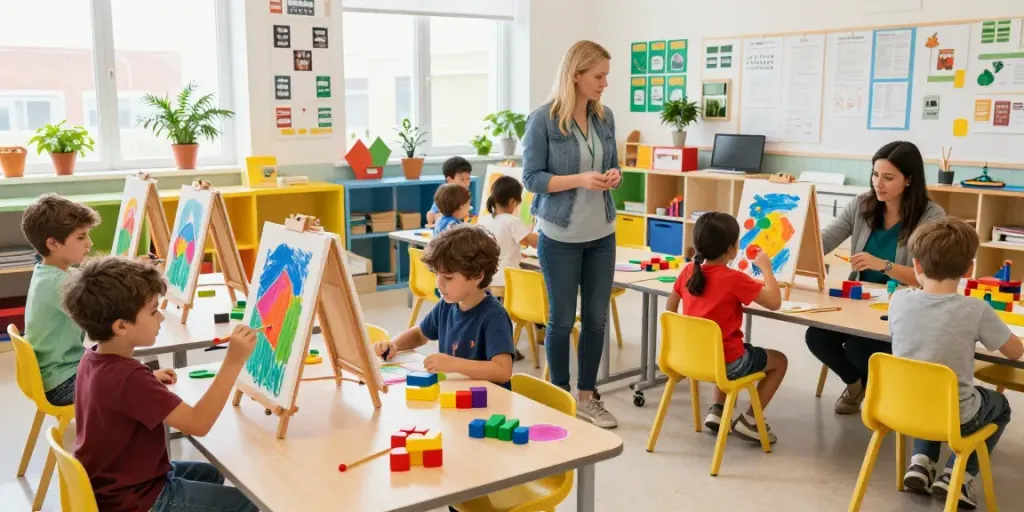
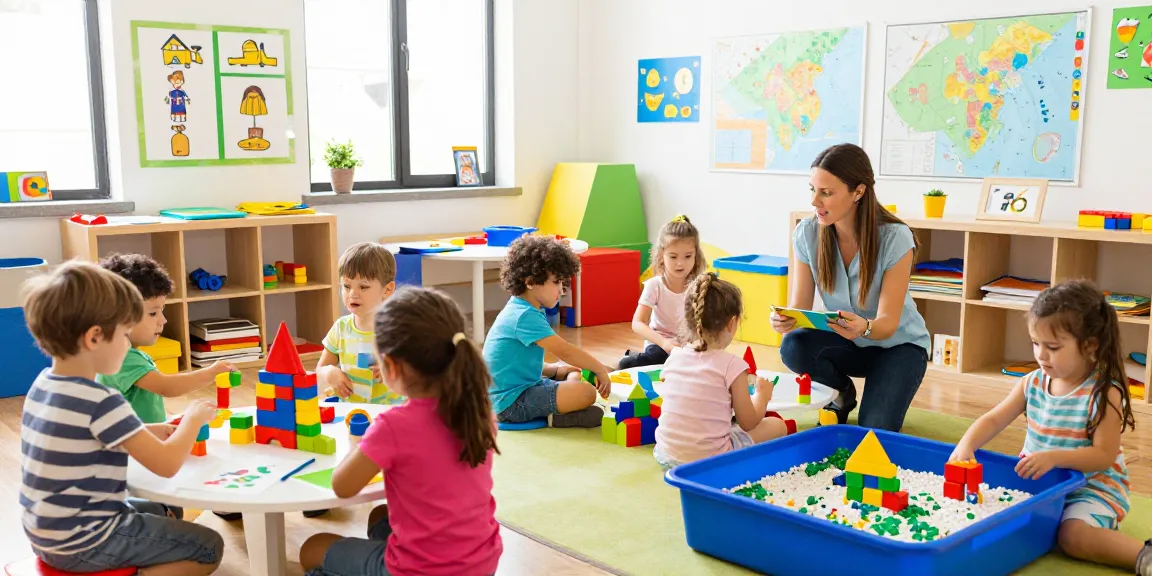
Engaging learning environments are essential for fostering inquiry-based education. Classrooms should be designed to encourage exploration and interaction, featuring various materials and resources that stimulate curiosity. Outdoor spaces also play a significant role, as they provide opportunities for physical activity and experiential learning.
Building Lifelong Skills Through Play
Play is an intrinsic part of childhood, serving as a vital mechanism through which children learn. Through play, children develop essential skills such as communication, cooperation, and resilience. Inquiry-based curricula harness the power of play, enabling children to practice these skills in a safe and supportive environment.
Choosing the Right Pre School in Singapore
In the quest for quality early education, it is essential for parents to be well-informed about their options. Choosing the right preschool involves evaluating several factors that align with your child’s developmental needs and your family values.
Key Factors to Consider When Selecting a School
When selecting a preschool, parents should consider the curriculum offered, the experience of the teaching staff, and the school's approach to diversity and inclusion. Visiting schools and observing classrooms can also help gauge the atmosphere and culture of the institution. Furthermore, understanding the school’s philosophy, such as whether they employ inquiry-based learning, can significantly influence your decision.
Understanding Different Educational Approaches
Preschools often adopt various educational philosophies, such as Montessori, Reggio Emilia, or Waldorf. Each of these approaches has unique characteristics and benefits. Montessori focuses on self-directed activity and hands-on learning, while Reggio Emilia emphasizes collaborative projects. Understanding these philosophies can help parents choose a school that aligns with their educational goals for their child.
The Impact of Teacher-Child Ratios
Another critical aspect to consider is the teacher-child ratio. Studies indicate that lower ratios lead to more individualized attention, fostering a better learning experience. In settings with higher ratios, children may receive less direct interaction, which can hinder their development. A low teacher-child ratio ensures that educators can better understand and cater to each child's unique needs.
Engaging Parents in the Educational Journey
Parental involvement is a cornerstone of successful early childhood education. When parents actively participate in their child's educational journey, it reinforces learning and builds a solid foundation for future academic success.
Strategies for Effective Parental Involvement
Parents can engage with their child's education through various strategies, such as attending school events, volunteering in the classroom, or communicating regularly with teachers. Establishing a routine for discussing daily learning experiences can also foster a supportive home environment that encourages curiosity and exploration.
The Benefits of Communication Between Teachers and Parents
Open communication between teachers and parents is vital for fostering a collaborative educational relationship. Regular updates on a child's progress and developmental milestones can help parents stay informed and involved. This partnership helps create a consistent learning environment that extends from the classroom to the home.
Creating a Supportive Learning Environment at Home
Beyond school, parents can enhance their child's learning experience at home by providing resources and opportunities for exploration. Creating a designated learning space, encouraging questions, and integrating educational activities into playtime are effective ways to support learning.
Future Trends in Early Childhood Education for 2026 and Beyond
As we look toward the future, several trends are emerging in early childhood education that could shape how preschools operate. Keeping abreast of these trends can inform parents' decisions and help prepare children for the evolving educational landscape.
Embracing Technology in Pre School Learning
With the rapid advancement of technology, preschools are increasingly incorporating digital tools into their curriculums. Interactive learning apps, virtual field trips, and digital storytelling can enhance traditional teaching methods. However, it is important for schools to strike a balance, ensuring that technology complements rather than replaces hands-on learning experiences.
Increasing Focus on Emotional Intelligence
The development of emotional intelligence is becoming a key focus in early childhood education. Programs that teach emotional regulation, empathy, and social skills are being prioritized. This emphasis prepares children to navigate social interactions effectively and fosters a positive classroom culture.
Adapting to Cultural Diversity in the Classroom
As Singapore continues to evolve as a multicultural society, preschools are adapting their curriculums to reflect and celebrate this diversity. Implementing programs that promote cultural awareness and appreciation helps children understand and respect the differences among their peers, ultimately fostering inclusivity.
What Should Parents Ask When Choosing a Pre School?
When considering preschools, parents should ask questions about the curriculum, teaching methodologies, and the school’s approach to behavioral issues. Inquiring about how the school involves parents in the learning process can also provide insights into how collaborative the educational experience will be.
How to Spot Quality in Early Childhood Education Programs?
Quality early childhood education programs often exhibit specific characteristics, such as a well-trained staff, a nurturing environment, and a curriculum that promotes active learning. Parents should observe how children interact with teachers and each other during visits to assess the overall quality of the program.
What Are the Signs of a Good Learning Environment?
A good learning environment should be safe, engaging, and adaptable to the needs of the children. Signs of a supportive atmosphere include a variety of educational resources, space for active play, and a visible emphasis on social interaction and collaboration.
Can Pre Schools Help International Families Integrate?
International preschools can play a vital role in helping families new to Singapore integrate and adapt. By offering culturally inclusive programs and fostering a diverse community, these schools provide a welcoming environment for children to develop connections and friendships.
How Is Holistic Learning Measured and Evaluated?
Evaluation of holistic learning goes beyond academic performance. It includes assessments of social skills, emotional development, and creativity. Teachers often use a combination of observations, portfolios, and discussions with parents to gauge a child’s overall growth.