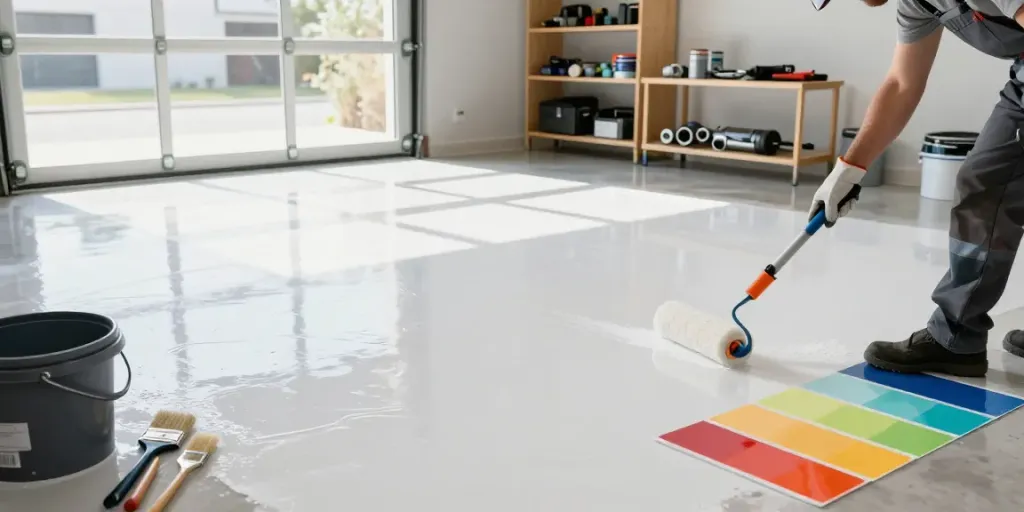
Understanding Epoxy Garage Floors
Epoxy garage floors have become increasingly popular among homeowners and commercial property owners alike, thanks to their durability and aesthetic appeal. These coating systems are designed to transform bare concrete into resilient surfaces that can withstand heavy traffic, spills, and stains. In a world where surface performance is paramount, understanding the benefits and application of epoxy flooring is essential for anyone looking to enhance their space.
What Is an Epoxy Garage Floor?
An epoxy garage floor consists of a mixture of resin and hardeners that, once combined, create a chemical reaction resulting in a hard, durable surface. This flooring type is not merely a paint; it's a strong coating that can be customized with various colors and textures. Typically applied over concrete, epoxy provides a glossy finish that not only enhances the look of a garage but also protects the underlying concrete from wear and damage. When exploring options, Epoxy Garage Floor systems are a popular choice for their strength, longevity, and aesthetic versatility.
Benefits of Epoxy Garage Floors
- Durability: Epoxy floors resist cracking, chipping, and peeling, making them ideal for high-traffic areas.
- Stain Resistance: Unlike traditional concrete, epoxy is resistant to stains from oil, chemicals, and other spills, making maintenance easier.
- Aesthetic Appeal: Available in various colors and finishes, epoxy can be customized to fit personal styles or branding needs.
- Environmentally Friendly: Many epoxy products are formulated with low or no VOCs (volatile organic compounds), contributing to a healthier indoor environment.
- Safety: Epoxy floors can be modified with non-slip additives to enhance safety, especially in garages and workspaces.
Common Misconceptions About Epoxy Floors
Despite their popularity, several misconceptions surround epoxy garage floors. One common myth is that epoxy is just a paint; in reality, it is a complex coating system that requires proper preparation and application for optimal results. Another misconception is that all epoxy floors are slippery; however, with the right additives and finishes, traction can be easily enhanced. Lastly, some believe that epoxy floors are only suitable for new concrete; on the contrary, they can effectively rejuvenate worn and damaged surfaces.
Preparation for Installation
Preparation is critical for a successful epoxy garage floor installation. Properly prepping the concrete surface ensures better adhesion and longevity of the flooring system. Skipping this step can lead to peeling or chipping, undermining the benefits of epoxy.
Tools and Materials Needed
Before commencing the installation, gather necessary tools and materials to streamline the process. Essential items include:
- Epoxy floor coating kit (resin and hardener)
- Concrete grinder or floor scraper
- Vacuum cleaner for dust removal
- Paint roller and extension pole
- Brush for edges and corners
- Protective gear (gloves, mask, goggles)
Preparing Your Concrete Surface
The first step in surface preparation involves cleaning and repairing any existing concrete. This includes:
- Cleaning the surface to remove grease, oil, and dirt.
- Grinding or etching the concrete to create a rough texture for better adhesion.
- Filling any cracks or holes using a concrete patching compound.
- Allowing adequate drying time before proceeding with the epoxy application.
Choosing the Right Epoxy Product
There are various types of epoxy products available for garage floors, including solid color, metallic epoxy, and full-flake systems. When selecting an epoxy product, consider factors such as aesthetic preferences, intended use, and budget. Consult with professionals or manufacturers to determine the best product for your specific needs.
Application Process
Once the preparation is complete, it’s time for the application process. Following the correct steps will ensure a flawless finish that can withstand the test of time.
Step-by-Step Application Guide
- Mix the Epoxy: Follow the manufacturer's instructions for mixing the resin and hardener to ensure proper chemical bonding.
- Apply the Epoxy: Start by applying a base coat using a roller or brush, ensuring even coverage.
- Broadcast Flakes (if applicable): If using a flake system, broadcast the flakes evenly into the wet epoxy until full coverage is achieved.
- Apply the Top Coat: Once the base coat is dry, apply a clear top coat to protect the flakes and enhance durability.
- Allow to Cure: Follow the manufacturer’s recommended curing time before allowing foot or vehicle traffic on the new floor.
Common Mistakes During Application
One of the most frequent errors during epoxy application is not preparing the concrete adequately. Failing to clean or grind the surface can result in poor adhesion. Other mistakes include not mixing the epoxy correctly and applying it under unfavorable weather conditions, such as high humidity or low temperatures. It is crucial to follow all manufacturer guidelines to avoid these pitfalls.
Best Practices for a Lasting Finish
To ensure the longevity of your epoxy garage floor, consider implementing the following best practices:
- Perform regular cleaning with a mild detergent and water to maintain the floor's appearance.
- Avoid using harsh chemicals or abrasive cleaners that can damage the epoxy surface.
- Inspect the floor periodically for any signs of wear or chips and repair them promptly.
- Utilize mats in high-traffic areas to reduce wear and tear.
Maintenance and Care
Maintaining your epoxy garage floor is essential for keeping it in pristine condition. With proper care, it can last for many years, providing both functionality and aesthetics.
Routine Cleaning Tips for Epoxy Floors
Routine cleaning can significantly prolong the life of your epoxy garage floor. Here are some tips:
- Dust or sweep the floor regularly to remove debris.
- Use a mop with a mild soap solution for deeper cleaning.
- Wipe up spills immediately to prevent staining.
- Use pH-neutral cleaners to avoid damaging the epoxy.
Repairing Damages and Wear
If your epoxy floor experiences wear or damage, quick action is key. Small chips can be repaired with epoxy patching compound. For larger areas, consider reapplying a complete coat of epoxy. Always follow the manufacturer's instructions for repair materials and methods.
Long-Term Care for Longevity
To ensure your epoxy garage floor remains in excellent condition, consider adopting a proactive approach to maintenance:
- Seal the floor every few years if advised by the manufacturer.
- Rotate heavy equipment or vehicles periodically to distribute wear evenly.
- Regularly assess the floor for potential issues, such as cracks or bubbling, and address them quickly.
Future Trends in Epoxy Garage Flooring
The epoxy flooring industry is continuously evolving, with innovations and design trends emerging each year. Staying informed about these trends can help homeowners and business owners make informed choices about their flooring options.
Innovative Epoxy Products of 2026
In 2026, expect to see advancements in epoxy formulations that offer improved durability, faster curing times, and enhanced aesthetic options. Manufacturers are also focusing on creating sustainable and eco-friendly products that reduce environmental impact while providing excellent performance.
Eco-Friendly Options and VOC-Free Solutions
With growing environmental awareness, many consumers are seeking epoxy products that contain low or no VOCs. These innovations not only minimize health risks but also contribute to a greener planet. Brands that prioritize eco-friendly materials are likely to gain a competitive edge in the marketplace.
Design Trends for Customization
Customization options for epoxy garage floors are expanding, with trends leaning towards intricate designs, colors, and textures. Metallic finishes, large flake designs, and even custom logos are becoming popular choices for both residential and commercial spaces. These design elements allow property owners to express their personality while enhancing functionality.
How much will it cost to epoxy a garage floor?
The cost of epoxy garage flooring varies significantly based on factors such as the size of the area, the type of epoxy used, and local labor rates. Generally, homeowners can expect to pay between $3 to $12 per square foot for professional installation, including materials and labor. DIY options may be less expensive but require careful planning and execution to achieve professional-looking results.
Is it worth it to epoxy a garage floor?
Investing in an epoxy garage floor is often deemed worth it due to the numerous benefits it offers, including enhanced durability, aesthetic appeal, and increased property value. Homeowners and business owners appreciate the reduced maintenance costs and the long-term performance of epoxy flooring systems, making it a smart choice in the long run.
What are the downsides of epoxy garage floors?
While epoxy flooring has many advantages, there are some downsides to consider. The installation process can be time-consuming, requiring several days for preparation, application, and curing. Additionally, while epoxy is durable, extreme impacts can still cause damage, and the floor can be slippery when wet if not properly treated with anti-slip additives.
How much does a 20x20 epoxy floor cost?
For a 20x20 garage, which is approximately 400 square feet, installation costs can range between $1,200 and $4,800 based on the factors previously mentioned. Customizations and high-end products can increase these costs, so it’s vital to budget accordingly and choose products that align with your needs and preferences.