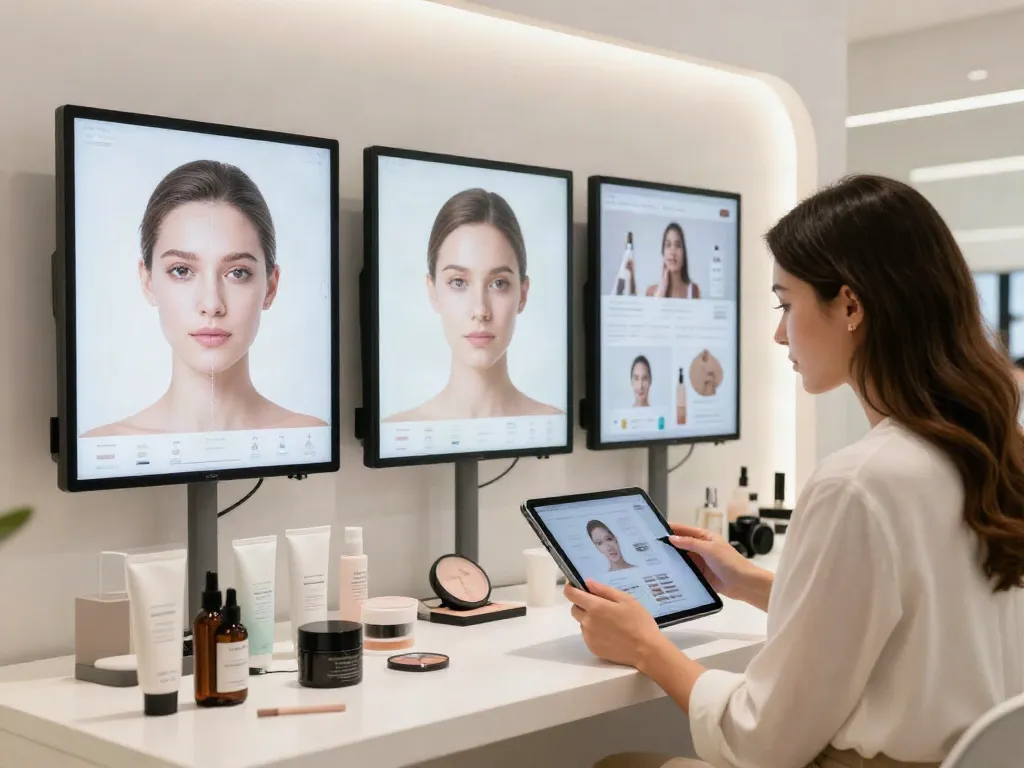
Understanding Facial Analysis Services
In the ever-evolving landscape of beauty technology, facial analysis services are gaining traction. These services use artificial intelligence and human expertise to evaluate facial features, offering personalized advice on aesthetics and improvement. As consumers become increasingly aware of their appearance and seek tailored solutions, understanding the nuances of these services is crucial. When exploring options, Alternatives to QOVES provide comprehensive insights that can help individuals make informed decisions about their beauty and self-improvement goals.
What is Facial Analysis?
Facial analysis is a process that evaluates various aspects of an individual’s face, including symmetry, proportions, and overall aesthetics. Utilizing advanced algorithms and human insight, these services generate reports that may include beauty scores, personalized recommendations, and potential improvement plans. By analyzing facial features through both automated processes and trained professionals, the aim is to deliver insights that enhance an individual’s self-image and confidence.
The Importance of Human Review in Aesthetic Plans
While AI technology has made significant strides in facial analysis, the importance of human review cannot be overstated. Aesthetic specialists play a crucial role in interpreting the data generated by AI, adding context and understanding that algorithms alone cannot provide. This human element ensures that the recommendations are not only based on numerical scores but are also grounded in aesthetic principles and individual needs, producing tailored plans that are more likely to resonate with users.
How Facial Analysis Services Compare to Each Other
As various facial analysis services emerge, comparing their features, pricing, and user experiences becomes essential. Some services focus on comprehensive human-reviewed plans, while others prioritize speed and accessibility with instant scores. Understanding these differences will help potential users choose the service that aligns best with their needs. Several reliable platforms now compete in this space, each with its unique offerings and approaches to beauty enhancement.
Alternatives to QOVES: An Overview
QOVES has positioned itself as a leading facial analysis service, offering a yearly membership that includes a detailed aesthetic protocol tailored for its users. However, as users explore alternatives, it's vital to consider the unique features of each option available. From affordable options to free scoring apps, let’s delve into five services that could be viable replacements.
ClinicEvo: Affordable and Comprehensive Plans
ClinicEvo stands out for its commitment to combining AI technology with human expertise. Offering a monthly subscription model of $12, users receive detailed reports reviewed by trained aesthetics specialists within five business days. This service provides not only a score but also a comprehensive EvoPlan™ tailored to individual facial features, helping users to understand their aesthetics and the suggested improvements more deeply. The affordability and depth of analysis make ClinicEvo a compelling choice for those serious about enhancing their looks.
Umax: Instant Beauty Scores
Umax operates on a different premise by offering an instant beauty rating through its application. Users upload selfies and receive an immediate score, which is a quick and easy way to gauge their aesthetic appeal. While the service lacks the personalized approach of a human-reviewed plan, its simplicity and speed make it attractive for those looking for immediate feedback without commitment.
LooksMax AI: Innovative Approaches to Aesthetic Ratings
LooksMax AI employs advanced algorithms to provide users with ratings based on various facial features. In addition to the ratings, it also offers suggestions for grooming and skincare. The innovative nature of this service appeals to tech-savvy users who appreciate using AI technology to refine their appearance. However, prospective users should consider the lack of human review and the resulting implications for the reliability of the advice given.
Key Features to Consider in Facial Analysis
When evaluating facial analysis services, there are several critical features to consider. These include pricing structures, the level of personalization offered, and whether the service includes long-term tracking capabilities.
Price Comparison and Membership Structures
Understanding the pricing structures of different services is essential for making an informed decision. For instance, while QOVES offers a complete yearly membership for $150, alternatives like ClinicEvo provide more economical options with monthly fees. Users should calculate the potential annual costs of any subscription model, ensuring they select one that fits their budget and usage needs.
Personalization: Customized Plans vs. Automated Scores
Another crucial aspect to consider is the level of personalization provided by the services. A customized plan reviewed by a trained professional, as seen with ClinicEvo, typically offers more valuable insights than an automated score generated by an app. Users should assess whether they prefer a more personalized service that considers individual variability or a quick score that offers no further guidance.
Long-Term Tracking and Progress Monitoring
Facial analysis should not be a one-off process. Many users are interested in tracking their progress over time, which is an area where some services excel. Continuous tracking allows users to compare improvements and adjust their plans as needed. Services that facilitate ongoing access to reports and updates can provide significant value, making it a factor worth considering when choosing a facial analysis provider.
User Experience and Reviews
User experiences vary widely across different facial analysis services. Reviews provide valuable insights into the effectiveness and reliability of each option.
What Users Say About Alternatives to QOVES
Feedback from users of alternatives to QOVES reveals a spectrum of experiences. Many users appreciate the affordability and accessibility of instant score apps like Umax and LooksMax AI, while others emphasize the importance of receiving a tailored report from a service like ClinicEvo. User reviews highlight the need for clarity in the service offerings, particularly regarding the distinction between automated scores and comprehensive plans.
Common Pain Points in Facial Analysis Services
Despite the benefits, users often express frustrations related to facial analysis services. Common pain points include waiting times for reviews, the lack of human touch in automated systems, and unclear pricing models. These issues can detract from the overall experience and lead potential customers to seek alternatives that better align with their expectations.
Success Stories from Users of Alternative Services
There are many success stories from users who have leveraged alternative services to improve their appearance and confidence. From users who achieved noticeable changes through personalized recommendations and treatment plans to those who gained valuable insights through instant scoring apps, these stories can inspire others to explore their options within the realm of facial analysis.
Future Trends in Beauty Technology
The landscape of beauty technology is continually evolving, with new trends likely to shape the future of facial analysis services.
Emerging Technologies in Facial Analysis
As technology advances, facial analysis services are expected to incorporate more sophisticated AI algorithms, providing even deeper insights into aesthetic evaluations. Innovations such as augmented reality and machine learning could enhance the personalization of services, allowing users to visualize potential changes before they commit to any treatments or improvements.
Predicted Changes in Service Pricing and Features
Service pricing may also see transformation as competition increases. Many providers may introduce more flexible pricing models or package deals that combine different aspects of beauty analysis and improvement, catering to a broader audience. As demand shifts, transparency in pricing structures will likely become a standard expectation among consumers.
Building a Personalized Beauty Journey in 2026
The future of beauty technology points toward a more personalized journey for users. With advancements in AI and an increased understanding of individual aesthetics, services that can adapt and respond to user needs will emerge as leaders in the market. Tailoring experiences based on user feedback and data will be paramount in establishing lasting relationships with consumers in this space.