Manaslu Trek Overview
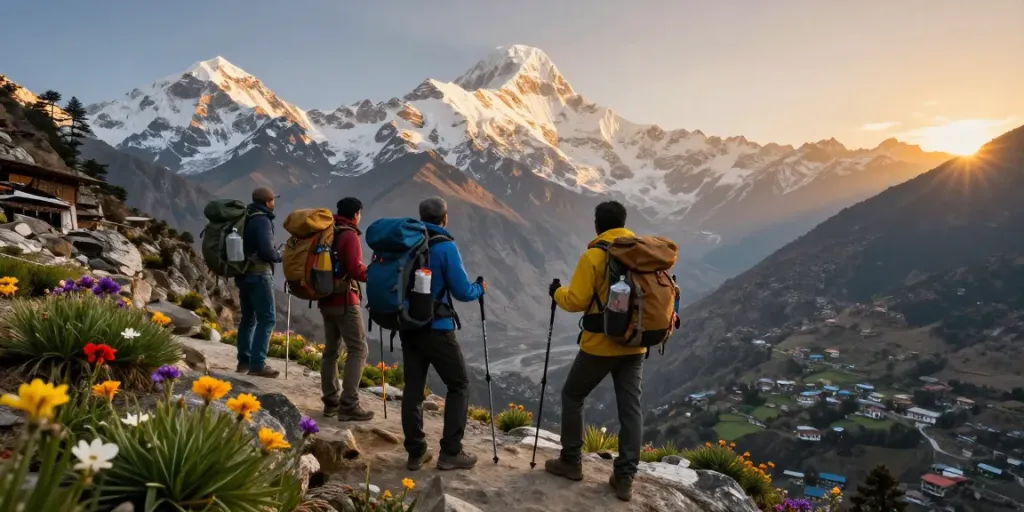
The Manaslu Trek, often overshadowed by its more famous counterparts like the Annapurna Circuit, promises an exhilarating adventure filled with breathtaking views, rich culture, and a sense of seclusion. This 15-day trek encircles Mount Manaslu, the eighth highest peak in the world, situated in the Gorkha region of Nepal. It presents trekkers with a comprehensive experience that includes traversing diverse landscapes, experiencing the vibrant local culture of Tibetan communities, and immersing oneself in the serene tranquility of the Himalayan wilderness. For those looking to embark on this rewarding journey in the coming years, Manaslu Trek offers a unique blend of challenge and beauty that continues to captivate adventurers from around the globe.
What Is the Manaslu Trek?
The Manaslu Trek is a circuit trek that offers an intimate exploration of the Manaslu region, showcasing its stunning natural beauty and cultural richness. The trek typically spans 177 kilometers, taking adventurers through lush subtropical forests, terraced fields, and traditional villages. The trail to Manaslu is less crowded compared to the Annapurna and Everest routes, providing trekkers with an authentic experience immersed in nature and the rich Tibetan influence of the area.
Significance of Manaslu Circuit
This trek holds significant ecological and cultural importance. As you traverse through the Manaslu Conservation Area, you will encounter unique flora and fauna, including rare species such as the snow leopard and the Himalayan tahr. The cultural aspect is equally compelling, as trekkers pass through ancient villages where traditional Tibetan Buddhist practices are still alive. The presence of monasteries and stone carvings offers a glimpse into the spiritual and cultural heritage of the region.
Current Trends for 2026
With the rising popularity of trekking in less commercialized areas, 2026 is expected to see a growing interest in the Manaslu Circuit Trek. Travelers seeking unique experiences are increasingly turning towards this route, drawn by the opportunity to explore untouched landscapes and engage with local communities. Furthermore, initiatives for sustainable tourism are being emphasized to preserve the natural environment and support local economies.
Preparing for the Manaslu Trek
Essential Gear and Packing List
Preparation is key to a successful trekking experience, particularly in the challenging environments of the Himalayas. Essential gear includes a proper set of trekking boots, layered clothing suitable for fluctuating temperatures, a reliable backpack, a sleeping bag rated for cold weather, and hydration packs. Here’s a straightforward packing list to guide you:
- Footwear: Comfortable trekking boots with ankle support.
- Clothing: Moisture-wicking base layers, warm insulating layers, and a waterproof outer layer.
- Accessories: Trekking poles, hats, gloves, sunglasses, and sunscreen.
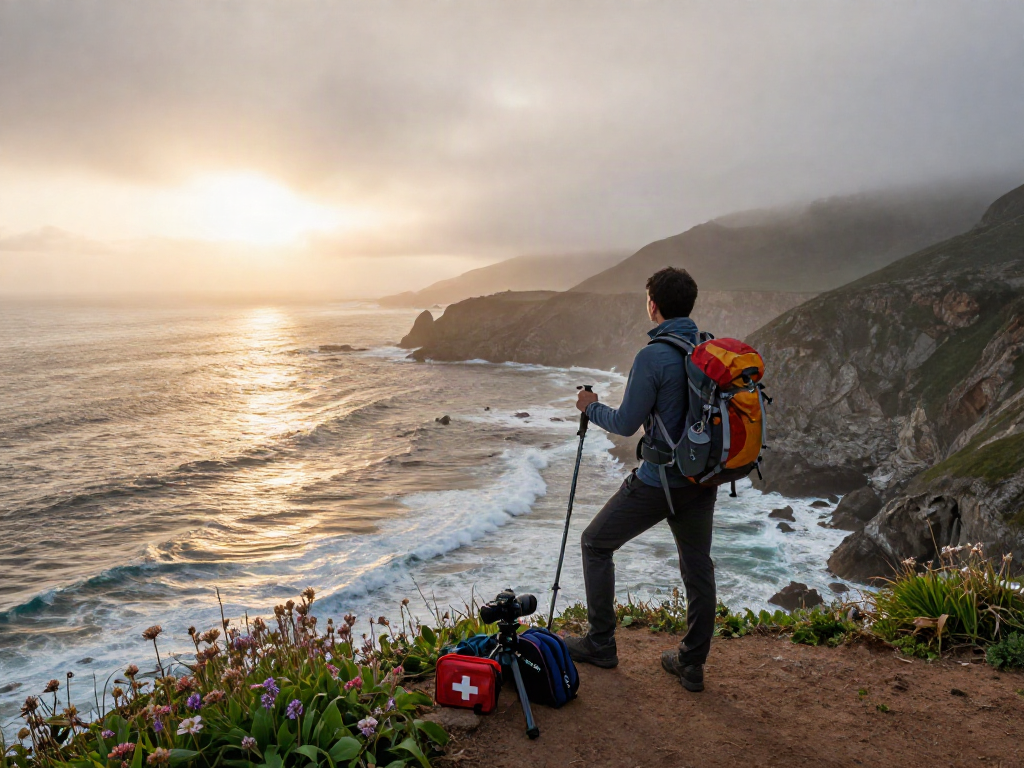
- Health Gear: First aid kit and any personal medications.
- Camping Gear: Sleeping bag, tent, and cooking gear if trekking independently.
Physical Fitness and Training Recommendations
As you prepare for the strenuous demands of the Manaslu Trek, it is essential to engage in physical conditioning. Aim for at least four to five sessions a week, combining cardio exercises such as running or cycling with strength training. Gradually increase your endurance with long hikes, ideally on varied terrain, to simulate trekking conditions. This preparation will help you acclimatize better and manage altitude challenges during the trek.
Travel Insurance and Health Precautions
Travel insurance is crucial for any trekking adventure, especially in high-altitude areas like Manaslu. Ensure your policy covers medical evacuations, trekking-related injuries, and any unforeseen cancellations. Alongside insurance, it's essential to consult a healthcare provider before your trek. Be proactive about vaccinations and consider medications for altitude sickness, which can strike even seasoned trekkers.
Itinerary and Highlights of the Trek
Day-by-Day Breakdown of the Manaslu Circuit
The typical itinerary for the Manaslu Circuit spans 15 days, allowing for thorough acclimatization and exploration. Below is a brief outline of the journey:
- Day 1: Arrive in Kathmandu, transfer to hotel.
- Day 2: Drive to Machha Khola via Soti Khola.
- Day 3: Trek to Jagat.
- Day 4: Trek to Deng.
- Day 5: Trek to Namrung.
- Day 6: Trek to Lho.
- Day 7: Trek to Samagaon.
- Day 8: Acclimatization hike to Manaslu Base Camp.
- Day 9: Trek to Samdo.
- Day 10: Trek to Dharmashala.
- Day 11: Cross Larkya La Pass to Bimthang.
- Day 12: Trek to Goa.
- Day 13: Trek to Dharapani.
- Day 14: Drive back to Kathmandu.
- Day 15: Departure from Kathmandu.
Major Attractions Along the Route
Throughout your trek, you will encounter several highlights:
- Birendra Lake: A stunning glacial lake that offers breathtaking views and an ideal spot for acclimatization.
- Larkya La Pass: The highest point on the trek at 5,160 meters, renowned for its panoramic views of the surrounding peaks.
- Traditional Villages: Experience the authentic culture of the Gurung and Tibetan communities as you pass through idyllic villages.
- Manaslu Base Camp: Provides trekkers with a close-up view of the majestic Manaslu.
Acclimatization Strategies and Tips
Acclimatization is essential to prevent altitude sickness. Spend adequate time in higher altitudes, drink plenty of water, and ascend gradually. Take acclimatization days seriously; they are designed to help your body adjust to the thinner air. Additionally, listen to your body and communicate with your guide about any symptoms you may experience.
Costs and What’s Included in the Trek
Manaslu Trek Pricing for 2026
The cost of the Manaslu Trek can vary based on the season, trekking company, and additional services. Generally, a package can cost between $1,500 and $2,500 per person. This price typically includes permits, accommodation, meals, transportation, and the services of guides and porters.
Inclusions and Exclusions of Trek Packages
When booking a trek, it’s important to understand what is included in your package. Most reputable trekking agencies will provide:
- Accommodation in tea houses.
- Meals during the trek.
- Wages for guides and porters.
- First aid kit and safety equipment.
- All necessary permits including MRAP and MCAP.
However, additional expenses might be incurred for:
- Personal expenses (snacks, water, etc.).
- International and domestic flights.
- Travel insurance.
- Tipping for guides and porters.
Understanding Additional Expenses
It’s wise to budget for unexpected costs during your trek. Cash is the primary currency for transactions along the trail, and trekkers should carry enough to cover meals, snacks, and other activities not included in the package. Typically, around $15-20 per day is a good estimate for additional expenses.
Traveling Responsibly on the Manaslu Trek
Environmental Impacts and Sustainable Practices
As trekking continues to grow in popularity, embracing sustainable practices is vital to protect the natural beauty of the Manaslu region. Trekkers should be mindful of their environmental footprint, including following 'Leave No Trace' principles by disposing of waste properly and minimizing their impact on local ecosystems.
Cultural Respect and Interaction with Locals
Interacting with locals adds an enriching dimension to your trekking experience. Respect local customs and traditions, ask for permission before taking photographs, and engage with communities in a way that supports their culture and economy. Consider purchasing local handicrafts as a way to give back.
Future of Trekking Tourism in Manaslu Region
With increasing attention on sustainable tourism, the future of trekking in the Manaslu region looks promising. Efforts to promote eco-friendly practices and regulate visitor numbers will enhance the trekking experience while preserving the area’s natural and cultural heritage for generations to come.
What permits do I need for the Manaslu Trek?
To trek the Manaslu Circuit, you will need several permits: the Manaslu Restricted Area Permit (MRAP), the Manaslu Conservation Area Permit (MCAP), and the Annapurna Conservation Area Permit (ACAP). Organized trekking companies usually handle the permit application process, making it convenient for trekkers.
What is the best season for the Manaslu Trek?
The ideal times to trek the Manaslu Circuit are during the spring (March to May) and autumn (September to November). These periods offer clear skies and moderate temperatures, making for optimal trekking conditions. Avoid the monsoon season (June to August) due to heavy rainfall and possible landslides.
Are there any risks associated with the Manaslu Trek?
While trekking in the Manaslu region, risks include altitude sickness, unpredictable weather, and potential for physical injury. Proper preparation and acclimatization, along with hiring professional guides, are essential to mitigate these risks.
What can I expect regarding accommodation?
Accommodation during the trek is primarily in tea houses which offer basic amenities. Expect twin-sharing rooms with shared bathrooms in most places. Some higher altitude locations may provide more rudimentary dormitory-style lodging.
How do I prepare for altitude sickness?
Preventing altitude sickness involves gradual ascent, proper hydration, and nutrition. Be aware of the symptoms and discuss any concerns with your guide. It’s important to listen to your body and be prepared to descend if needed.