Understanding the PCB Assembly Manufacturing Landscape
The printed circuit board (PCB) assembly manufacturing landscape is continuously evolving, shaped by technological advancements, market demands, and globalization. As a vital component in various electronic devices, the need for efficient and high-quality PCB assembly has surged. Understanding the processes, technologies, and industry trends is essential for companies seeking reliable partners in PCB assembly. Exploring options can help organizations identify a reputable PCB assembly manufacturer that meets their specific needs.
Overview of PCB Assembly Processes
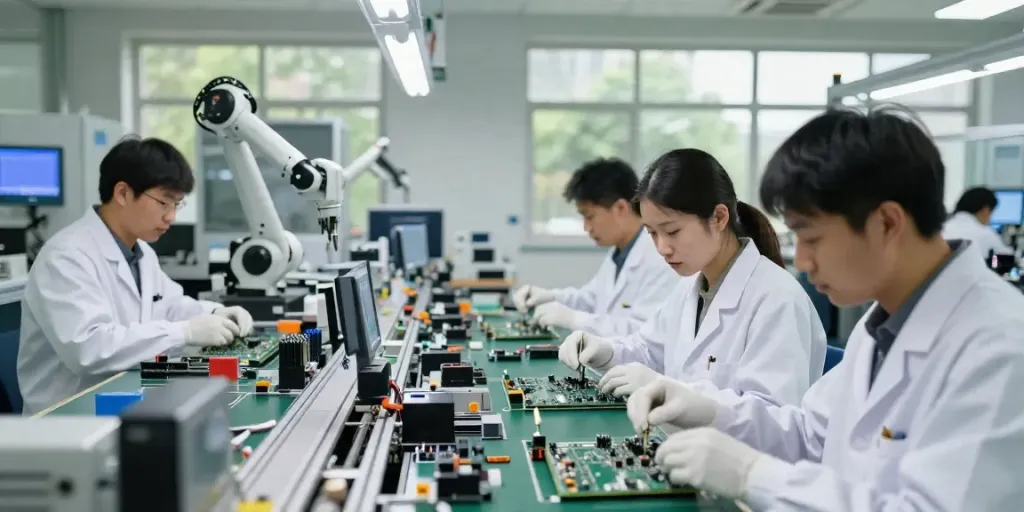
PCB assembly is the process of soldering electronic components onto a PCB to create a functional electronic circuit. This process typically involves several stages, including:
- Design and Prototyping: Creating a layout in CAD software and fabricating a prototype for testing.
- Surface Mount Technology (SMT): Placing components on the surface of the PCB using automated machines.
- Through-Hole Technology (THT): Inserting leads from components into holes and soldering them on the opposite side.
- Soldering: Using wave, reflow, or hand soldering techniques to secure components in place.
- Testing: Conducting various tests to ensure the assembly meets quality and performance standards.
Key Technologies in PCB Assembly
The PCB assembly process benefits from several key technologies, enhancing efficiency and precision:
- Automated Optical Inspection (AOI): Used to verify the placement and quality of components.
- Pick-and-Place Machines: Automate the placement of SMT components on circuit boards.
- 3D Printing: Enables rapid prototyping of PCBs with complex geometries.
- Industry 4.0 Solutions: Integrate IoT devices for real-time monitoring and data analysis during assembly.
Market Trends Shaping the Industry in 2026
As we look ahead to 2026, several trends are expected to shape the PCB assembly industry:
- Sustainability: With increased environmental awareness, manufacturers are focusing on eco-friendly materials and processes.
- Miniaturization: The demand for smaller, more compact electronics is pushing innovations in PCB design and assembly techniques.
- Customization: Customers are increasingly seeking tailored solutions that meet specific requirements.
- Supply Chain Resilience: The pandemic highlighted vulnerabilities, leading to a shift towards more sustainable and local supply chains.
Choosing the Right PCB Assembly Manufacturer
Selecting the right PCB assembly manufacturer can significantly impact the quality and success of your projects. There are several crucial factors to consider in this process.
Factors to Consider When Selecting a Manufacturer
When evaluating potential PCB assembly manufacturers, consider the following:
- Experience and Expertise: Look for a manufacturer with a proven track record in your specific industry.
- Certifications: Check for industry-standard certifications, such as ISO 9001, IPC-A-610, and RoHS compliance.
- Production Capabilities: Assess the manufacturer's capacity to handle your project's scale, including rapid prototyping and mass production.
- Customer Support: Ensure they offer responsive customer service and technical support throughout the project lifecycle.
Assessing Quality and Compliance Standards
Quality assurance is critical in PCB assembly. Ensure that the manufacturer adheres to strict compliance standards and has robust quality control processes. Common quality assessments include:
- Incoming Material Inspection: Verifying the quality of raw materials before production.
- Process Control: Monitoring each stage of assembly to identify and rectify issues promptly.
- Final Testing: Conducting electrical and functional tests on finished products before delivery.
Understanding Turnkey vs. Traditional Manufacturing Options
PCB assembly manufacturers offer various service models, including turnkey and traditional manufacturing. Turnkey solutions provide a comprehensive service, handling everything from design to assembly and testing, while traditional models may require clients to procure components separately. Choosing between these options depends on your project requirements and resource availability.
Optimizing Your PCB Assembly Strategy
To maximize efficiency and minimize costs in your PCB assembly projects, it is crucial to adopt best practices and leverage emerging technologies.
Incorporating Best Practices for Efficiency
Implementing best practices throughout the PCB assembly process helps streamline operations:
- Standardization: Use standardized components to reduce manufacturing complexity and costs.
- Lean Manufacturing: Apply lean principles to eliminate waste and improve production flow.
- Collaboration: Work closely with your manufacturing partner to refine designs for manufacturability and testability.
Leveraging Technology for Enhanced Production
The integration of advanced technologies can significantly enhance the production process:
- Automation: Utilize automated assembly processes to increase throughput and reduce labor costs.
- Data Analytics: Analyze production data to identify trends, optimize processes, and predict maintenance needs.
- Simulation Software: Use simulation tools to foresee potential design flaws before manufacturing begins.
Cost Management in PCB Assembly Projects
Effective cost management is essential for the profitability of PCB Assembly projects. Consider these strategies:
- Volume Discounts: Negotiate pricing based on order quantities to achieve cost savings.
- Supply Chain Optimization: Strengthen relationships with suppliers for better pricing and reliability.
- Design for Cost: Optimize designs to minimize material usage and enhance manufacturability.
Common Challenges and Solutions in PCB Assembly
Despite advancements in technology, manufacturers may face several challenges during the PCB assembly process. Identifying these obstacles and developing strategies to overcome them is essential for success.
Identifying Frequent Obstacles in Production
Some common challenges encountered in PCB assembly include:
- Component Shortages: Global supply chain disruptions can lead to delays in procuring necessary components.
- Quality Control Issues: Maintaining consistent quality control can be challenging, especially with complex assemblies.
- Technological Obsolescence: Rapid technological advancements may render existing processes outdated.
Mitigating Risks with Supplier Relationships
Building strong relationships with suppliers can help mitigate risks associated with PCB assembly:
- Regular Communication: Establish open lines of communication to address potential issues proactively.
- Diversifying Suppliers: Engage multiple suppliers to reduce dependence on a single source and enhance resilience.
- Strategic Partnerships: Collaborate with manufacturers that offer integrated solutions to streamline production processes.
Case Studies of Successful Strategy Implementations
Examining real-world examples of successful PCB assembly strategies can provide valuable insights:
- Case Study 1: A leading electronics manufacturer adopted automated testing, resulting in a 30% reduction in defects.
- Case Study 2: A startup implemented lean principles, leading to faster prototyping and reduced lead times by 40%.
Future Outlook for PCB Assembly Manufacturers
The future of PCB assembly manufacturers will be shaped by various trends and technological advancements. Understanding these shifts is vital for staying ahead in the competitive landscape.
Predictions for the Next Five Years
As the industry progresses, several predictions are emerging for the next five years:
- Increased Automation: Greater reliance on robotics and AI in assembly processes will enhance efficiency.
- Reshore Manufacturing: More companies are likely to move production back to domestic facilities for better control and logistics.
- Integration of Green Practices: Environmental sustainability will play a more prominent role in PCB manufacturing standards.
Emerging Technologies in PCB Production
New technologies are continuously emerging in PCB production, including:
- Flexible PCBs: Allowing for more versatile designs in wearable technology and compact devices.
- Enhanced Materials: Innovations in materials science will lead to more robust and heat resistant PCBs.
- Smart PCB Solutions: Incorporating sensors and IoT capabilities directly into printed circuit boards.
Preparing for Industry Shifts and Consumer Demands
Manufacturers must remain agile, ready to adapt to changing market conditions and consumer preferences:
- Consumer Electronics Trends: Staying informed about trends such as smart home devices and electric vehicles will be crucial.
- Investing in R&D: Allocating resources for R&D to innovate and stay competitive in the evolving marketplace.
- Embracing Digital Transformation: Leveraging digital tools for better manufacturing processes and customer engagement.
What Are the Top 10 PCB Manufacturers Today?
Several PCB manufacturers are recognized for their expertise and capabilities. Notable names include:
- JLCPCB: A leading manufacturer known for quick turnaround and cost-effective solutions.
- AdvancedPCB: Offers high-quality PCBs with a strong focus on customer service.
- Gorilla Circuits: Specialized in advanced PCB manufacturing and assembly services.
Is There a PCB Assembly Manufacturer in the USA?
Yes, numerous PCB assembly manufacturers operate within the USA, offering a range of services from prototyping to full-scale production. Companies such as AlteraFlex and Sunstone are notable players committed to quality and efficiency.
What Makes a Winning PCB Manufacturer?
Successful PCB manufacturers share several key characteristics:
- Quality Focus: A commitment to maintaining high manufacturing and testing standards.
- Innovative Approaches: Incorporating the latest technologies and techniques in production.
- Customer-Centric Strategies: Fostering strong relationships with clients to understand and meet their unique needs.